

Medical Device Software Development
Medical Device Software, Built to IEC 62304
As a medical device software development company, we build SaMD, connected-device and companion-app software under an IEC 62304 lifecycle with ISO 14971 risk management, plus the cloud, pharma and commerce platforms around your device.
Medical Device Software We Build
From the app in your customer’s hand to the cloud platform behind the device, these are the software layers we build most often for device makers and digital health product teams.
 Companion apps for connected devices
iOS and Android apps that pair with your device over Bluetooth, sync data, guide setup and give users clear feedback, like the Airofit and CardiacSense apps we built.
 Software as a Medical Device (SaMD)
Standalone software with a medical purpose, built under a documented lifecycle with requirements, risk controls and traceability from the first sprint.
 IoMT and wearable platforms
Cloud platforms that ingest real-time vitals from wearables and connected devices, with secure device and user management.
Clinician dashboards and alerts
Live dashboards, thresholds and alerts that turn device data into something a care team can act on, supporting remote monitoring.
Data pipelines and analytics
Scalable pipelines that store, clean and analyse device data, with audit trails and role-based access.
EHR, lab and system integrations
HL7/FHIR and API connections to EHRs such as Epic, lab systems and the tools your business already runs.
Built Around IEC 62304 and ISO 14971
Regulated software is judged on process as much as on code. We build to the same lifecycle your quality team and auditors expect, and we work inside your quality system rather than around it.
IEC 62304 software lifecycle
Planning, requirements, architecture, implementation, verification, release and maintenance, with the software safety class set by your risk analysis. Our guide explains IEC 62304 for medical software.
ISO 14971 risk management
Hazard analysis and risk controls tied directly to requirements and tests, so every mitigation can be traced. See risk management in medical device development.
Traceability and verification
Requirements linked to design, code and test evidence, with verification and validation planned alongside development, not after it.
Security and privacy
ISO 27001-compliant security practices, secure cloud deployment, encryption, audit trails, and HIPAA and GDPR-ready data handling.
Regulatory ownership stays independent
Your quality and regulatory team, or an independent regulatory partner we work with, owns submissions and certification. That keeps the assessment unbiased. Learn what regulators count as Software as a Medical Device.
A clear development process
See how the phases fit together in our guide to medical device software development phases.
AI Features We Build for Device Data
Devices produce a steady stream of signals. AI turns that stream into something useful, built into the product from the start.
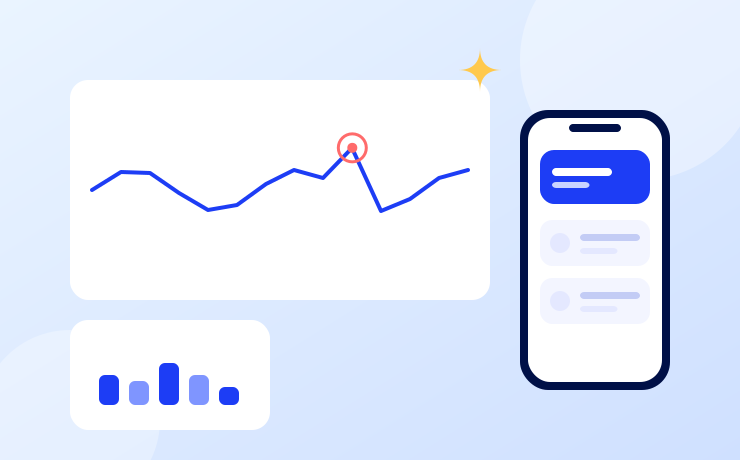
Signal analysis and anomaly detection
Models that read sensor and device signals, flag unusual patterns and cut noise before data reaches clinicians.
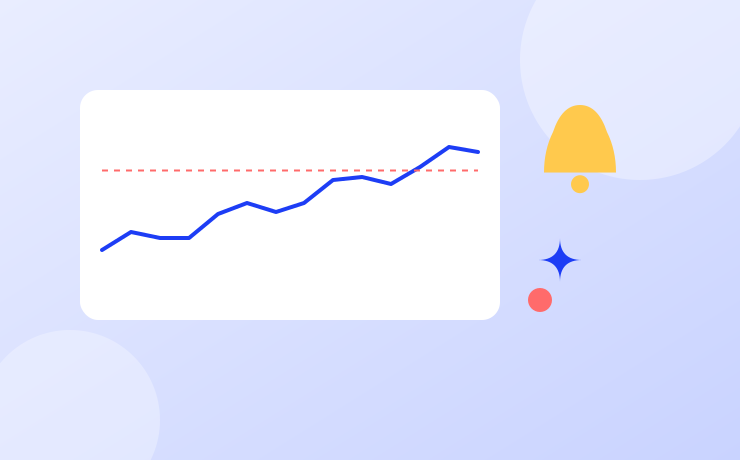
Predictive alerts and risk scoring
Trend-based alerts and risk scores that warn users and care teams early, with thresholds you can tune and review.

Clinician summaries and insights
Plain-language summaries of device data over time, so reviews take minutes instead of scrolling through raw readings.
AI that informs diagnosis or treatment can itself be regulated as SaMD. We scope that early, so the right level of validation and documentation is planned from the start.
Medical Device Software Development Cost and Timeline
Cost depends on the device, the software’s risk class, the integrations you need and how much regulated documentation the product requires. Most clients start with a focused companion app or MVP and expand.
Companion app MVP
From $25,000
Mobile app that pairs with your device, syncs data, shows live and historical readings and supports onboarding, with a cloud backend and a lightweight documented process. Typically 8–12 weeks.
SaMD-grade platform
Typically $60K–$150K
Full IEC 62304 lifecycle, ISO 14971 risk management, traceability, verification and validation, cybersecurity and a regulated release process.
Enterprise or multi-device platform
Typically $150K–$350K+
Multiple devices, markets and user types, with deeper integrations, AI features, analytics and enterprise-grade security.
These ranges cover software design, development and testing. Regulatory submissions, notified-body fees and quality-system certification are separate and handled by your regulatory team or a partner. Budget for cloud hosting and third-party services too. See our healthcare app development cost guide for how scope drives cost. Share your device and intended use and we will scope your build and price against it. You own the code, IP and data.
Why MedTech and Pharma Brands Choose Latent
Deep Domain ExpertiseTrusted by global medical device manufacturers, pharma brands, and B2B health platforms across 14 countries.
Built for ComplianceIEC 62304 lifecycle, ISO 14971 risk management, ISO 27001-compliant security, and HIPAA and GDPR-ready software with audit trails.
Designed for ScalabilityModular systems that grow with your product—across use cases, markets, and devices.
Connected EcosystemFrom CRM to eCommerce, we integrate seamlessly with your tools, platforms, and APIs.
Fast, Focused DeliveryGet focused MVPs live in 8–12 weeks, guided by sprint-based execution and technical leadership.
Post-Launch PartnershipWe don’t stop at delivery—ongoing support, upgrades, and roadmap development included.
Case Studies in Medical Device Software
Cardiac Sense – Wearable Device + Real-Time Monitoring
Built mobile app & cloud platform to sync health vitals from heart wearables. ✅ Boosted retention by 60% with real-time insights and alerts ✅ Enabled remote care through live dashboards and data streams

Airofit – Connected Respiratory Trainer
Developed a cross-platform mobile app for a respiratory device brand. ✅ Enhanced user experience and engagement for global customers ✅ Integrated training modules, progress tracking, and user feedback loops

Arthrex (Avana) – Medical Device eCommerce
Created an eCommerce platform tailored for doctors purchasing Arthrex devices. ✅ Improved conversions of doctors for surgeon labs and exhibits ✅ Built-in approval workflows for streamlined registrations

Software for Medical Device Makers and MedTech Teams

Companion Apps for Connected Devices
Apps and platforms that sync real-time vitals from wearables and IoT health devices.

SaMD and Clinical Software
Regulated software built under a documented IEC 62304 lifecycle with risk-based design.

Device Data Platforms
Scalable cloud platforms, dashboards and analytics for device and patient data.

ECommerce Platforms for Medical Devices
Sales enablement tools for pharmaceutical manufacturers, distributors, and partners.

Pharma B2B Software
Sales enablement and distributor tools for pharmaceutical manufacturers and partners.

Healthcare CRM and MR Reporting
Track leads and relationships, and automate daily reporting and route planning for medical reps.
Our Process: From Idea to Industry-Ready Platform
Let's Talk About Your Use CaseDiscovery & Requirements Mapping
Deep dive into your device, intended use, user flows and regulatory pathway.
UX/UI Design
Usability-focused interfaces for patients, clinicians and operators.
Agile Development
Sprint-based releases for faster validation, iteration, and feedback loops.
Verification & Testing
Verification, validation and traceability built in, with security checks and audit evidence.
Deployment & Ongoing Support
Cloud launch, updates, and long-term maintenance with full IP handoff.
Built for Complex Healthcare ProductsWe understand the intersection of software, hardware, and compliance.
Transparent, Collaborative DeliveryClear communication, milestone tracking, and shared ownership of success.
Focused on Outcomes, Not Just FeaturesWe deliver tools that improve usability, efficiency, and commercial performance.
Why Partner with Latent for MedTech & Pharma Software
Connect With Our Product ExpertSupported Platforms & Integrations
We Build For
 Swift (IOS)
 Kotlin (Android)
 React Native
 Flutter
 React (Web)
 Vue.js (Web)
 Angular (Web)
 PWAs
We Integrate With
EMRs/EHRs
 HL7
 FHIR
 Epic
 Custom clinical systems
Lab & Imaging
 PACS
 LIMS
 DICOM-compatible tools
Payments & Billing
 Stripe
 Razorpay
 Insurance systems
Wearables & Devices
 Apple HealthKit
 Google Fit
 Bluetooth devices
CRM & Communications
 Twilio
 WhatsApp APIs
 Salesforce