

Mental Health App Development Company
Mental Health App Development Built for Clinical Trust and Real Engagement
As a mental health app development company, we build HIPAA and 42 CFR Part 2-aligned teletherapy platforms, secure messaging, mood tracking, and patient engagement apps — from consumer wellness products to clinical behavioral-health systems.
Types of Mental Health Apps We Build
Mental health products range from a self-guided wellness app to a clinical platform used by therapists. These are the types we build most often.
Teletherapy and virtual counselling
Secure video sessions, scheduling, reminders and session notes for therapists, clinics and group practices. See our telemedicine app development.
CBT and guided self-help programs
Structured programs with lessons, exercises, check-ins and progress tracking that people can follow on their own or with a clinician.
Mood, symptom and journaling apps
Daily check-ins, symptom scales, encrypted journals and trend views, with optional wearable data for sleep and activity.
Meditation and mindfulness apps
Content libraries, audio and video sessions, streaks and subscriptions, like the Monkify app that crossed $1M in annual recurring revenue.
Substance use and recovery support
Check-ins, peer and counsellor connection and relapse-prevention tools, built with the stricter privacy rules these records require.
Clinical platforms for care teams
Documentation, treatment plans and care-team coordination, connected to your EHR or behavioral-health system.
Clinical Safety and Crisis Support Built In
Mental health products carry a duty of care that most apps do not. Safety is designed into the product, not added after launch.
 Clear crisis pathways
Visible routes to emergency help and crisis lines, such as 988 in the US, plus in-app escalation to a human on your care team.
 Clinician-reviewed content
Exercises, assessments and messages written or reviewed by licensed clinicians, with version history so changes can be traced.
 Risk flags with human review
Rules and alerts that surface concerning check-ins or messages for a clinician to review, never an automated diagnosis.
Honest limits and moderation
Clear wording about what the app is and is not, and moderation tools for any community or chat features.
Privacy, Consent and Compliance Built In
Mental health records are among the most sensitive data there is. Privacy rules and consent are part of the architecture from the first sprint.
HIPAA and GDPR
Access controls, encryption in transit and at rest, audit trails and data-retention rules. Our HIPAA guide explains the requirements.
42 CFR Part 2 for substance use records
Stricter consent and disclosure rules for substance use treatment records, built into permissions and sharing.
Granular consent
Patients choose what is shared, with whom and for how long, and can change that at any time.
ISO 27001-compliant security
Secure cloud deployment, role-based access and security testing under ISO 27001-compliant practices.
When an app becomes a medical device
Software that diagnoses or treats a condition can be regulated by the FDA, as with prescription digital therapeutics. See Software as a Medical Device.
Standards-based integration
HL7 and FHIR connections to EHRs and care systems, so notes and outcomes flow where clinicians already work. See FHIR integration.
AI Features We Build for Mental Health Apps
Used carefully, AI can make support more available and clinicians more effective. We design it with clear limits and a human in the loop.
Guided check-ins and conversational support
Supportive chat that guides check-ins, exercises and reflection, with clear limits and an easy handoff to a person.
Personalized programs
Content and exercise recommendations shaped by a person’s goals, mood trends and engagement, so programs stay relevant.
Clinician summaries and risk flags
Session and check-in summaries and early-warning flags for clinicians to review, reducing documentation time.
AI that provides therapy or diagnoses a condition can be regulated as a medical device. We scope that early and keep clinicians in the loop.
Mental Health App Development Cost and Timeline
Cost depends on whether you are building a consumer app or clinical infrastructure, the modules you need, integrations and your compliance scope. Most clients launch a focused first version and expand.
Starter
From $25,000
A focused wellness or self-help app with sign-in, check-ins or journaling, content and notifications, launched as an MVP. Typically 8–12 weeks.
Standard
Typically $50K–$120K
Adds teletherapy video, clinician dashboards, EHR connections, payments or subscriptions and a mobile app on iOS and Android.
Advanced
Typically $120K–$250K+
Multi-site clinical platforms with crisis workflows, AI features, deeper integrations and enterprise-grade security.
Beyond development, budget for cloud hosting, video minutes, SMS and push notifications, and clinician-reviewed content. We help you model these up front. See our healthcare app development cost guide for how scope drives cost. Share your product and we will scope and price your build. You own the code, IP and data.
Why Behavioral Health Teams Choose Latent
Proven Mental Wellness BuildBuilt Monkify, a psychologist-informed meditation and mental wellness app, from concept to launch — now past $1M ARR with a 4.9-star rating across ~2,900 reviews and 100,000+ downloads.
Compliance Built InHIPAA, 42 CFR Part 2, and GDPR-aligned data handling built into every product, with encrypted storage, audit logs, and role-based access control.
Clinical and Consumer, BothWe've shipped both consumer mental-wellness apps and clinical infrastructure like secure video consultations and encrypted patient messaging, so we can build wherever your product sits on that spectrum.
EHR & Behavioral Health IntegrationHL7/FHIR-based integrations connect mental health software to existing EHRs and behavioral health management systems, so clinical data doesn't live in a silo.
MVPs in 8–12 WeeksLaunch a working product fast with sprint-based delivery and clinical validation built in, then extend it module by module.
Full Lifecycle SupportFrom design to launch, ongoing support, enhancements, and full IP handoff. You own the code, data, and documentation.
Client Success Stories in Mental Wellness & Telehealth
Monkify: Mental Wellness & Meditation App
Built Gaur Gopal Das's psychologist-informed mental wellness app from concept to launch, mapped to real use cases: insomnia, relationship stress, anxiety, and overthinking. ✅ Crossed $1M ARR, 4.9-star rating across ~2,900 reviews ✅ 100,000+ downloads, encrypted journaling and subscription monetization built in from day one

Vital Mena Telehealth Platform
Built a live UAE telemedicine platform with the clinical-grade infrastructure a teletherapy product needs. ✅ Secure video consultations and encrypted patient messaging ✅ Appointment booking and e-prescriptions on web and mobile

Vedic Lab: Personalized Wellness Platform
Built a wellness app around a personalized health assessment and live practitioner bookings, now the #1 doctor-recommended app in its category in Germany and Switzerland. ✅ Personalized onboarding assessment for each user ✅ Live practitioner consultations built into the product

Custom Mental Health App and Software Solutions
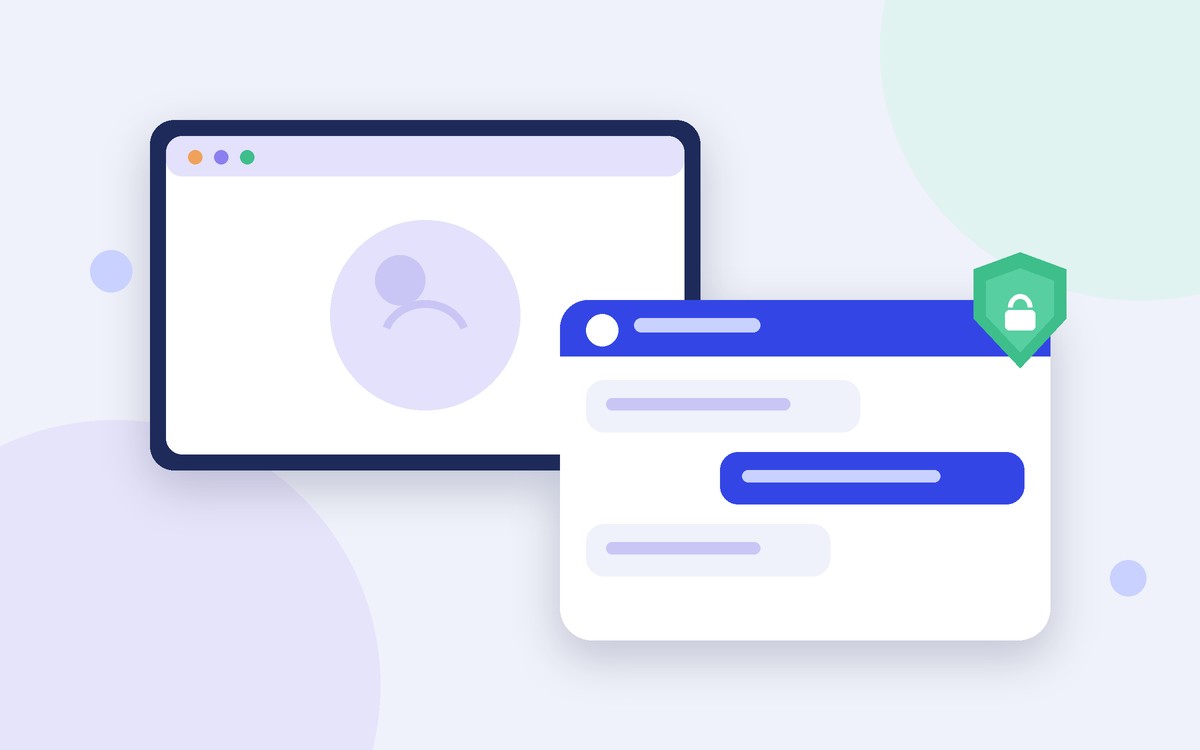
Teletherapy & Secure Video Sessions
Encrypted video consultations built for clinical use, not a generic video-call plugin.
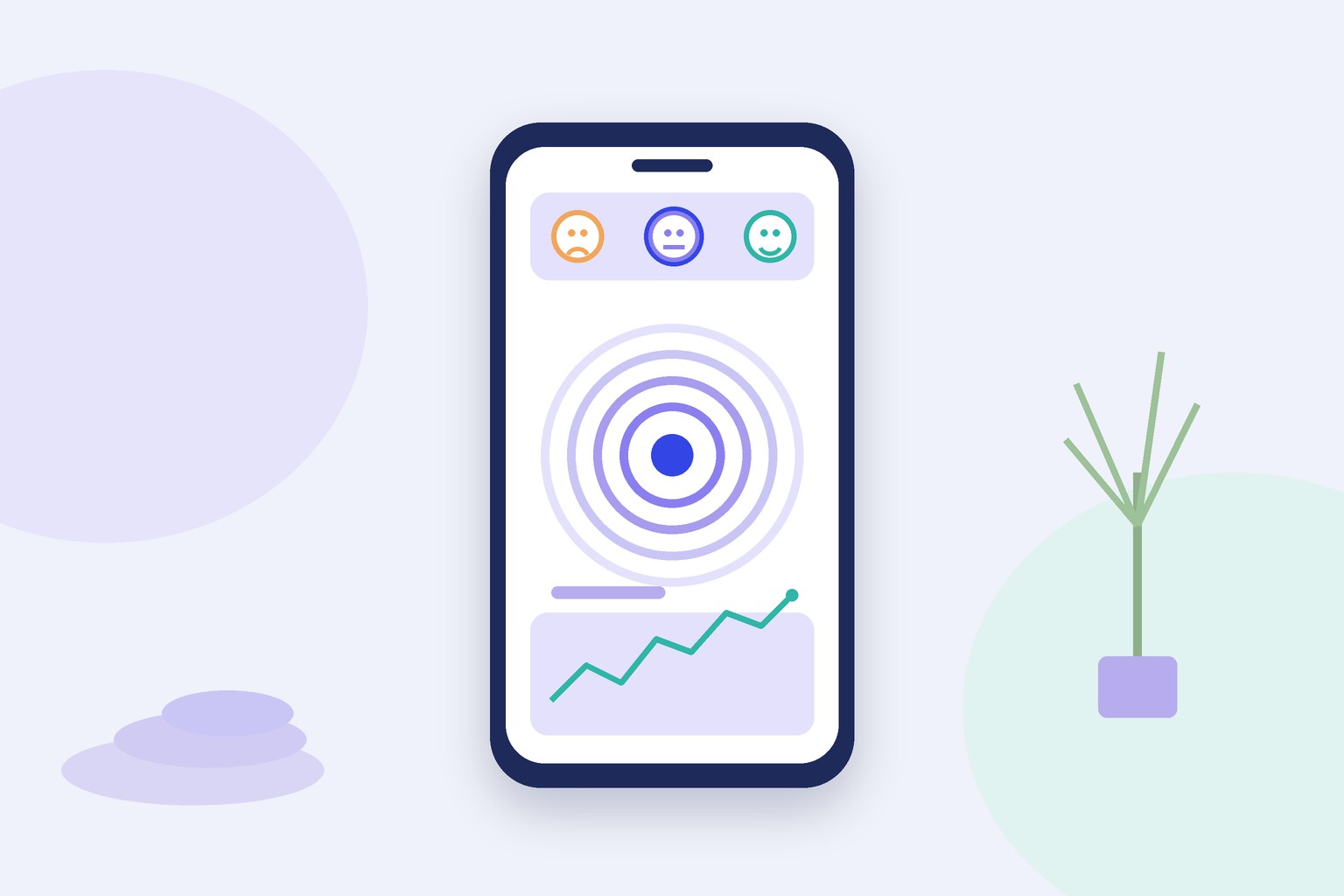
Mood & Symptom Tracking
Daily check-ins, mood mapping, and progress trends that give both users and clinicians a clear picture over time.
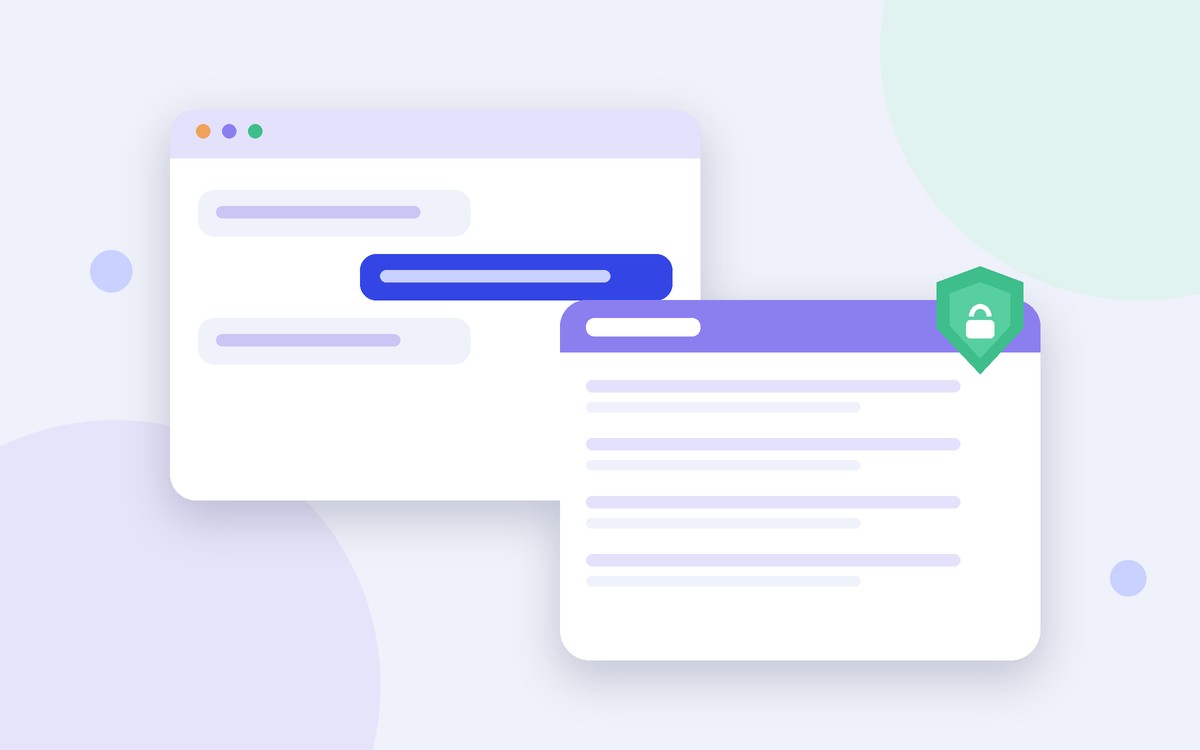
Secure Messaging & Encrypted Journaling
Private, judgment-free messaging and journaling between sessions, with data encrypted in transit and at rest.
Clinical Notes & Progress Documentation
Structured therapy notes and progress documentation designed for real clinical workflows, not a generic form builder.
Care Team Coordination
Shared visibility across therapists, psychiatrists, and care coordinators, with role-based access to what each person actually needs.

Guided Content & Self-Care Programs
Guided meditations, courses, and self-paced programs that keep users engaged between sessions.
Our Process: From Idea to Industry-Ready Platform
Let's Talk About Your Use CaseDiscovery & Workflow Mapping
Deep dive into your clinical workflows, patient journeys, and compliance needs.
UX & Product Design
Interfaces designed with the sensitivity mental health products need — calm, clear, and free of clinical jargon where users need plain language.
Agile Development
Sprint-based releases for faster validation, iteration, and feedback loops.
Compliance & Validation Testing
Built-in QA for HIPAA, 42 CFR Part 2, and GDPR alongside standard security testing.
Deployment & Ongoing Support
Cloud launch, updates, and long-term maintenance with full IP handoff.
Healthcare-Only FocusDeep experience across mental wellness apps, telehealth, and clinical documentation systems.
Full IP OwnershipYou own the code, IP, and data, with transparent documentation and dev workflows.
Built to ScaleFollows OWASP standards and modern dev best practices for privacy and scalability.
Why Choose Latent for Mental Health App Development?
Connect With Our Product ExpertSupported Platforms & Integrations
We Build For
 Swift (IOS)
 Kotlin (Android)
 React Native
 Flutter
 React (Web)
 Vue.js (Web)
 Angular (Web)
 PWAs
We Integrate With
Video & Communication SDKs
 Twilio
 WebRTC
 Agora
EHRs & Interoperability
 HL7
 FHIR
 Custom clinical systems
Wearables & Mood Data
 Apple HealthKit
 Google Fit
Cloud Platforms
 AWS
 Azure
 Google Cloud
Payments & Subscriptions
 Stripe
 Razorpay