

Patient Portal Development Services
Patient Portals That Reduce Admin Load and Keep Patients Engaged
As a patient portal development company, we build secure, HIPAA-compliant portals and patient apps that connect to your EHR — so patients can book visits, message their care team, view records and results, and pay bills without calling the clinic.
Types of Patient Portals We Build
The right portal depends on who uses it and what they need to do. These are the four we build most often.
Clinic and practice portals
Booking, messaging, intake forms, visit summaries and payments for practices and specialty clinics, connected to the EHR you already use.
Hospital and multi-facility portals
One patient login across departments and sites, with records, results, billing and appointments pulled from several systems.
Specialty and chronic-care portals
Condition-specific experiences, such as care plans, device and wearable data, symptom tracking and follow-ups, for care teams that manage patients between visits.
Research and participant portals
Secure participant-facing portals for consent, assessments and data capture, like the one we built for the world’s largest ALS patient dataset.
Most portals also include proxy and caregiver access, so a parent or family member can manage care for someone else with permissions the patient controls, and multilingual, accessibility-aligned design on web, iOS and Android.
Custom, White-Label or Buy: Choosing the Right Route
There is no single right answer. The best route depends on how different your workflows are, how many systems the portal must connect to, and how long you plan to use it.

Buy an off-the-shelf portal
Fastest to start and usually priced per provider or patient, but the experience and roadmap follow the vendor, and integrations beyond the standard ones can be limited.

White-label and customise
A middle path: start from a ready base and adapt branding and some workflows. Works when your needs are close to the standard product.
Build a custom portal
Your workflows, your design, your data and full ownership. Worth it when the portal is part of your product or must connect to several systems.
Many teams start with a focused custom MVP and extend it module by module, which keeps the first cost low without locking them into a vendor. See our guide to healthcare app development cost for how scope drives price.
Security, Compliance and Interoperability Built In
A portal holds some of the most sensitive data a patient has. Security and integration are designed into the architecture from the first sprint.
Role-based access and isolation
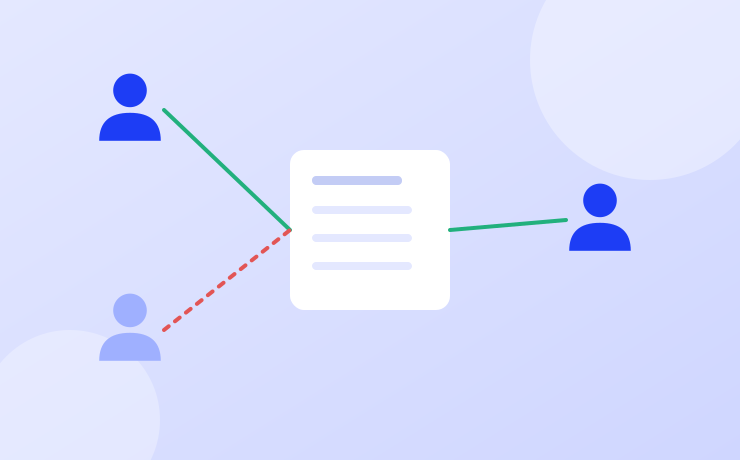
Patients see only their own record. Staff and providers see what their role allows, with separate permissions for proxies and caregivers.
Strong sign-in
Multi-factor authentication and single sign-on options, session controls and secure password recovery.

Encryption and audit trails
Encryption in transit and at rest, with full audit logs of who viewed or changed what, and when.

HIPAA, GDPR and ABHA
Privacy and compliance designed in from the start. Our HIPAA-compliant app development guide explains the requirements.
HL7 and FHIR integration
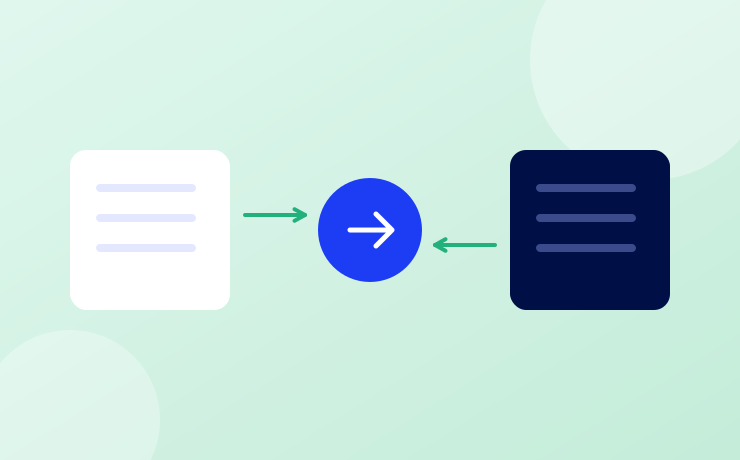
Standards-based exchange with EHRs, labs and imaging, so patients see current data without duplicate entry. See our guide to FHIR integration.
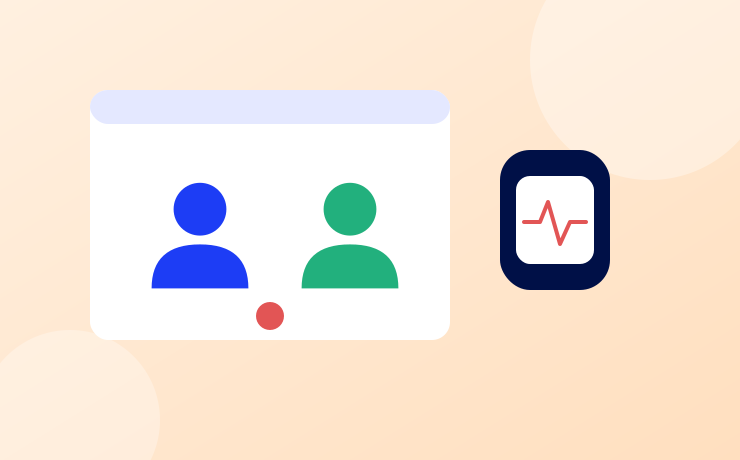
Video visits and remote monitoring
Built-in telemedicine and wearable data, so care continues between visits.
AI Features We Build Into Patient Portals
AI helps patients get answers faster and helps staff handle fewer routine messages. It is designed in with human review where it matters.
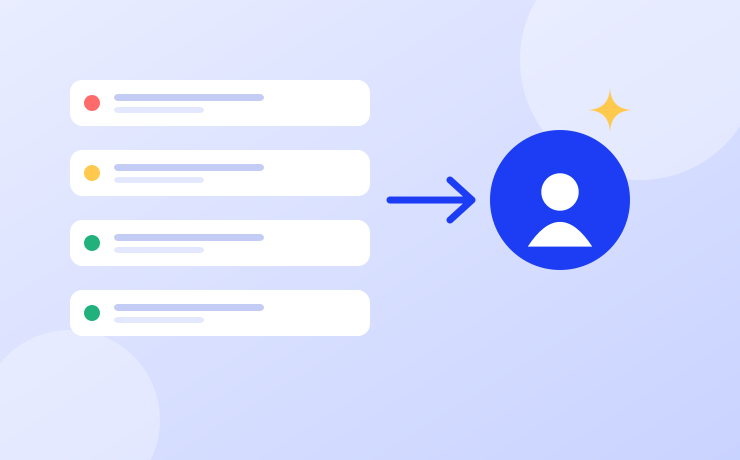
Message triage and routing
AI that reads incoming patient messages, flags urgent ones and routes the rest to the right team, cutting inbox load.

Patient question assistant
A chat assistant that answers common questions about appointments, bills and preparing for a visit, using your own approved content.
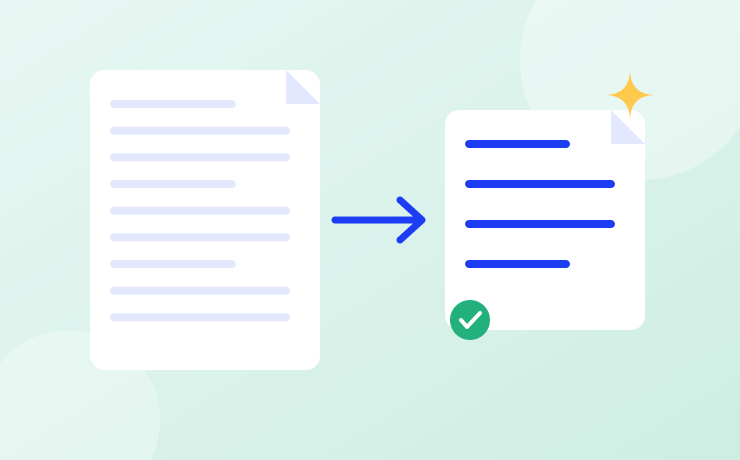
After-visit summaries
Plain-language summaries of visit notes and results that patients can actually understand, reviewed by clinicians before release.
AI that gives medical advice can fall under device regulation. We scope that early and keep clinicians in the loop. See our guide to Software as a Medical Device.
Patient Portal Development Cost and Timeline
Cost depends on the modules you need, how many systems the portal connects to, the platforms you support and your compliance scope. Most clients launch a focused first version and add modules over time.
Starter
From $25,000
Secure sign-in, appointment scheduling, messaging and a records view, launched as a focused MVP on web or mobile. Typically 6–10 weeks.
Standard
Typically $50K–$120K
Adds EHR integration, billing and online payments, prescriptions and refills, and a mobile app on iOS and Android.
Advanced
Typically $120K–$250K+
Multi-facility portals with proxy access, wearable data, analytics and AI features, and enterprise-grade security.
Beyond development, budget for cloud hosting, SMS and email notification costs, video minutes and any EHR vendor API fees. We help you model these up front. Share your workflows and we will scope your build and price against it. You own the code, IP and data.
Why Healthcare Organizations Choose Latent for Patient Portals
 Proven Patient-Facing Builds
We've built patient-facing platforms for telehealth, diagnostics, and large-scale research, including the participant portal behind the world's largest ALS patient dataset.
 Compliance Built In
HIPAA, GDPR, ABHA, and 21 CFR Part 11-aligned data handling with role-based access, encrypted storage, and full audit trails.
 EHR-Integrated
Portals that connect to your existing EHR, lab systems, and imaging via HL7/FHIR, so patients see current data without duplicate entry.
Designed for Every PatientClean, accessible interfaces on web and mobile, including experiences built for patients with limited mobility and dexterity.
MVPs in 6–10 WeeksLaunch a working portal fast with sprint-based delivery and clinical validation built in, then extend it module by module.
Full Lifecycle SupportFrom design to launch, ongoing support, enhancements, and full IP handoff. You own the code, data, and documentation.
Client Success Stories in Patient Portal Development
World's Largest ALS Research Platform
Built the participant portal for the world's largest ALS patient dataset: a patient-facing experience for voice recordings, clinical assessments, and consent. ✅ Designed for patients with limited mobility and dexterity ✅ 900+ participants across 8 active studies

Vital Mena Telehealth Platform
Built a live UAE telemedicine platform for a board-certified respiratory and sleep specialist. ✅ Secure video consultations, encrypted patient messaging, and e-prescriptions ✅ Appointment booking on web and mobile

Cresco Healthcare Diagnostic Platform
Built a web platform and cross-platform mobile app for multi-lab diagnostic booking in Pune. ✅ Home sample collection with end-to-end order tracking ✅ Digital reports and EMR access in one click
Custom Patient Portal Development Solutions
Secure Messaging & Video Visits
Encrypted patient–provider messaging and video consultations, built into the portal rather than bolted on.

Appointment Scheduling
Self-service booking, rescheduling, and reminders tailored to your specialties and provider calendars.

Records & Lab Results
One-click access to visit summaries, lab results, and imaging, pulled from your EHR and lab systems.

Billing & Online Payments
Statements, secure online payments, and insurance details in one place, connected to your billing workflow.

Prescriptions & Medication Refills
E-prescriptions and refill requests built into the care flow, so a visit can end in an actionable prescription.

Wearable & Home-Monitoring Data
Let patients share data from wearables and connected devices, so care teams see trends between visits.
Our Process: From Idea to Industry-Ready Platform
Let's Talk About Your Use CaseDiscovery & Workflow Mapping
Deep dive into your patient journeys, clinical workflows, and compliance needs.
UX & Portal Design
Patient-focused interfaces designed for accessibility and ease of use across web and mobile.
Agile Development
Sprint-based releases for faster validation, iteration, and feedback loops.
Integration, Security & Validation Testing
EHR and HL7/FHIR integration testing plus built-in QA for HIPAA, GDPR, and industry-specific validations.
Deployment & Ongoing Support
Cloud launch, updates, and long-term maintenance with full IP handoff.
Healthcare-Only FocusDeep experience across EHRs, telehealth, diagnostics, and clinical research platforms.
Full IP OwnershipYou own the code, IP, and data, with transparent documentation and dev workflows.
Built to ScaleFollows OWASP standards and modern dev best practices for privacy and scalability.
Why Choose Latent for Patient Portal Development?
Connect With Our Product ExpertSupported Platforms & Integrations
We Build For
 Swift (IOS)
 Kotlin (Android)
 React Native
 Flutter
 React (Web)
 Vue.js (Web)
 Angular (Web)
 PWAs
We Integrate With
EHRs & Interoperability
 HL7
 FHIR
 Epic
 Custom clinical systems
Payments & Billing
 Stripe
 Razorpay
 Insurance systems
Wearables & Devices
 Apple HealthKit
 Google Fit
 Bluetooth devices
CRM & Communications
 Twilio
 WhatsApp APIs
 Salesforce