

Decentralized Clinical Trial Software Development
Decentralized Clinical Trial Software, Built for Studies That Can't Wait for Patients to Travel
We build the full technology stack behind decentralized and hybrid clinical trials — participant portals, remote data capture, wearable integration, and researcher dashboards — so studies aren't limited to who can get to a clinic.
What a Decentralized Trial Platform Includes
A decentralized or hybrid trial moves parts of the study to the participant’s home or local clinic. The platform ties those pieces together, so data still reaches the sponsor as one clean, auditable record. These are the modules we build.

Remote enrollment and eConsent
Identity checks, multi-language consent with comprehension checks, version control and electronic signatures, so people can join a study without travelling to a site.
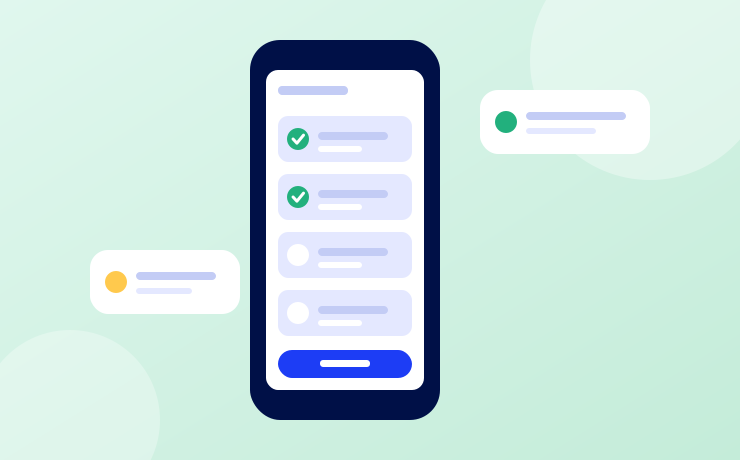
Participant app and eCOA
Tasks, reminders, questionnaires and diaries with offline support, built on our eCOA and ePRO work.
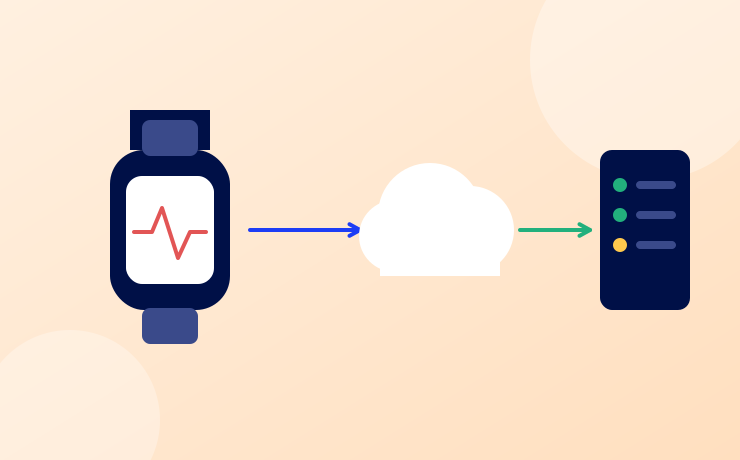
Wearables and sensors
Apple HealthKit, Health Connect, Fitbit, Garmin and Bluetooth devices, synced with the participant’s permission and tied to the study record.
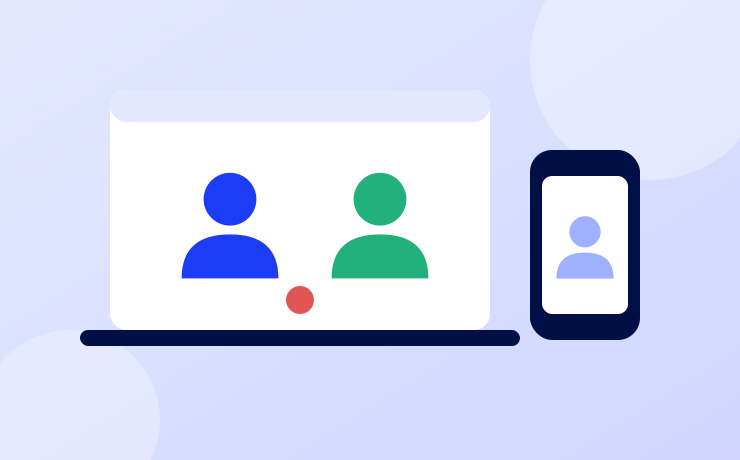
Remote visits and assessments
Video visits, voice and video assessments, scheduling across time zones and recordings handled to your protocol. See our telemedicine app development.
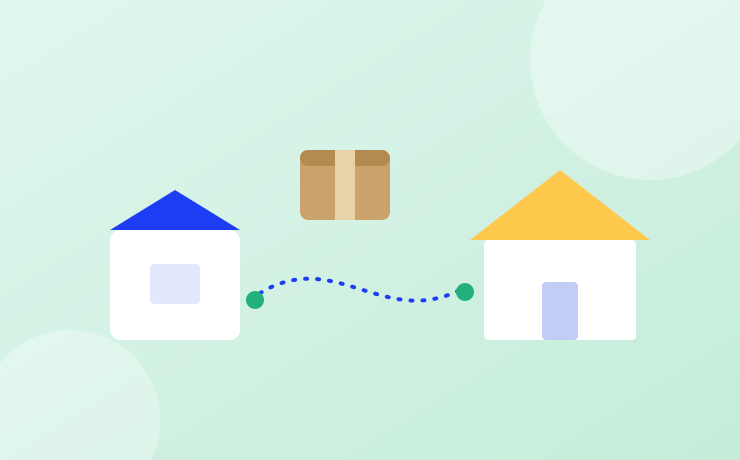
Home health and supply logistics
Scheduling for home nurses, tracking for shipped kits and returned samples, and a clear chain of custody for each item.
Site, sponsor and monitoring dashboards
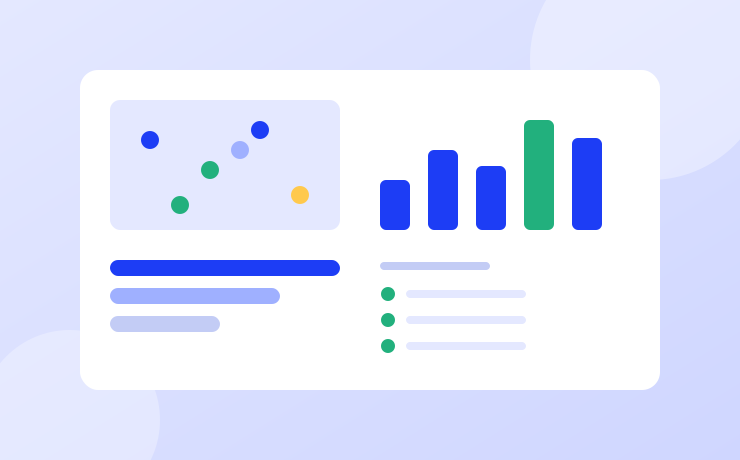
Enrollment, participant compliance and data quality in one view, with alerts that support risk-based monitoring.
See how we applied this in the ALS research platform, which runs 8 active studies across two countries.
Build, Buy or Extend: Choosing the Right Route
Established DCT vendors work well for a single sponsored study that fits their template. Custom software makes sense for research networks, registries and long-running programs where the participants, data and workflow are the asset.

Buy a DCT platform
Fastest for one study that fits a vendor’s standard workflow. Expect per-study or per-site fees and limited room to change how consent, assessments or data flow.
Extend your existing systems
Keep your EDC or CTMS and add the missing decentralized pieces, such as eConsent, a participant app or wearable sync, connected through APIs.
Build a custom platform
Right when one platform must serve many studies, sites or disease areas, or when you need control over participant experience and data. You own the code and IP.
Not sure where to start? Read our guides to decentralized clinical trial software, clinical trial software development and electronic data capture.
Regulatory and Data Rules for Decentralized Trials
Decentralizing a trial does not relax the rules, and it adds a few. We design the platform around the requirements your sponsor, quality team and ethics board will check. Regulatory submissions and final compliance decisions stay with your team.
 FDA decentralized trial guidance
The FDA’s final guidance on conducting trials with decentralized elements covers remote visits, local providers and data from digital tools. Our summary: FDA guidance on decentralized trials.
 ICH E6(R3) and GCP
Good Clinical Practice expectations for computerized systems, data integrity and risk-proportionate oversight shape how we design records and access.
 Electronic records and signatures
Audit trails, access control and electronic signatures built to support 21 CFR Part 11 expectations, with documentation your QA team can review.
Privacy across borders
HIPAA, GDPR and local rules for health data, with region-specific consent and data residency where studies run in more than one country.
Telehealth and licensing rules
Remote visits and prescribing rules differ by country and state. We design scheduling and assessments around the rules for each site.
Home health and shipping
Investigational product delivery and home visits have their own requirements. We build the tracking and records; your sponsor decides the process.
Decentralized Clinical Trial Software Cost and Timeline
Cost depends on which modules you need, how many studies and sites the platform serves, the devices you connect and your validation scope. Most clients launch a focused first version, then add modules as studies grow.
Starter
From $25,000
A focused MVP, such as eConsent, a participant app with questionnaires and a study dashboard, for one study. Typically 6–10 weeks.
Standard
Typically $70K–$175K
A fuller platform with wearable integration, remote visits, EDC and CTMS connections, and multi-site management.
Advanced
Typically $175K–$300K+
Multi-study, multi-country platforms with consortia analytics, AI features and enterprise-grade security.
Beyond development, budget for cloud hosting, SMS and email costs, video minutes, device and courier costs, and any validation support. We help you model these up front. Share your protocol and we will scope your build and price against it. You own the code, IP and data.
Why CROs and Research Foundations Choose Us
Proven at ScaleBuilt and operate the DCT platform behind the world's largest longitudinal ALS patient dataset — 900+ participants across 8 active studies in the US and Australia.
Full-Stack DCT ExpertiseNot just one module — the entire architecture: research/admin portal, participant portal, consortia portal, and mobile app, all connected.
Remote & Multi-Modal Data CaptureVoice, wearables, and in-home testing alongside traditional questionnaires — built for participants who can't or won't travel to a site.
Regulatory-Grade Compliance21 CFR Part 11, HIPAA, and PHI-safe data handling with full audit trails, built in from day one.
MVPs in 8–12 WeeksLaunch a working DCT module in 6–10 weeks, then extend to additional studies and sites as your program grows.
Full Lifecycle SupportFrom initial architecture to ongoing maintenance, new studies, new sites, and evolving compliance needs.
Client Success Stories in Decentralized Clinical Trials
The World's Largest Decentralized ALS Study Network
Built the full DCT architecture — research portal, participant portal, consortia portal, and mobile app — behind 8 active studies spanning two countries. ✅ 900+ participants enrolled and tracked remotely ✅ Unlocked pharma and academic research partnerships

Tailored Solutions for Decentralized Clinical Trials

Full DCT Platform Architecture
Connected research, participant, and consortia portals built as one system, not disconnected tools.

Remote Enrollment & eConsent
Web and mobile enrollment flows with digital consent capture and version tracking, no site visit required.

Wearable & Sensor Integration
Connect wearables and connected devices to capture objective endpoint data continuously, not just at visits.

Voice & Remote Video Assessment
Structured remote sessions for speech, cognitive, and video-based assessments, integrated end-to-end.

Multi-Study, Multi-Site Management
Role-based access for coordinators and proctors managing participants across multiple concurrent studies and sites.

De-Identified Consortia Analytics
Real-time, de-identified dashboards for pharma and academic partners to monitor study progress and outcomes.
Our Process: From Idea to Industry-Ready Platform
Let's Talk About Your Use CaseDiscovery & Study Design Mapping
Understand your study protocols, participant population, and which assessments need to happen remotely.
Platform Architecture Design
Design the portal structure, data flows, and integrations that connect researchers, participants, and partners.
Agile Development
Sprint-based builds with regular check-ins, so the platform evolves with your research program.
Compliance & Validation Testing
HIPAA, 21 CFR Part 11, and audit-trail validation before launch.
Deployment & Multi-Site Rollout
Launch, onboard your first sites, and get ongoing support as new studies and locations come online.
Deep DCT ExperienceWe've built and operated the DCT architecture behind one of the largest decentralized study networks in rare-disease research.
Full IP OwnershipYou own the code, data, and documentation — with transparent workflows and no lock-in.
Built to Scale Across StudiesArchitecture designed to support new studies and sites without a rebuild, so the platform grows with your research program.
Why Choose Latent for Decentralized Clinical Trials?
Connect With Our Product ExpertSupported Platforms & Integrations
We Build For
 Swift (IOS)
 Kotlin (Android)
 React Native
 Flutter
 React (Web)
 Vue.js (Web)
 Angular (Web)
 PWAs
We Integrate With
Wearables & Health APIs
 Apple HealthKit
 Google Fit
 Fitbit
 Garmin
EHRs & Interoperability
 Epic
 HL7/FHIR
Infra
 AWS
 Azure
 GCP