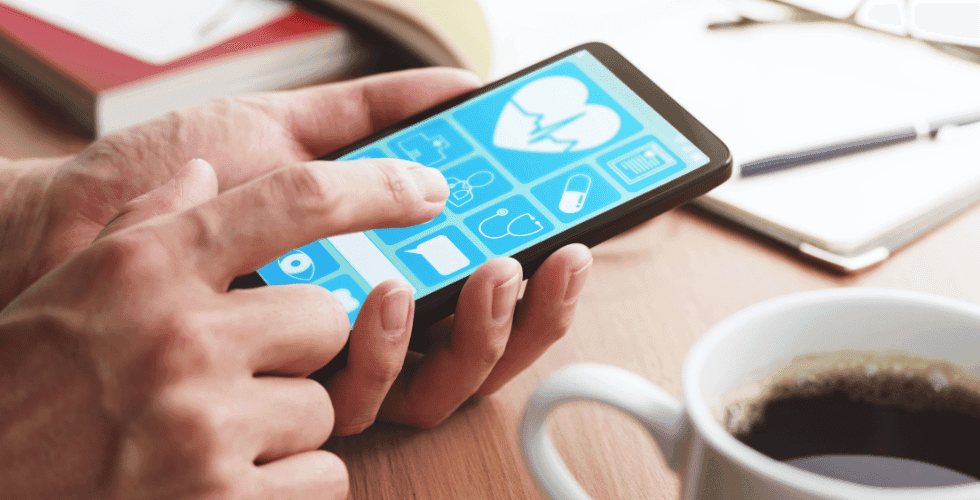
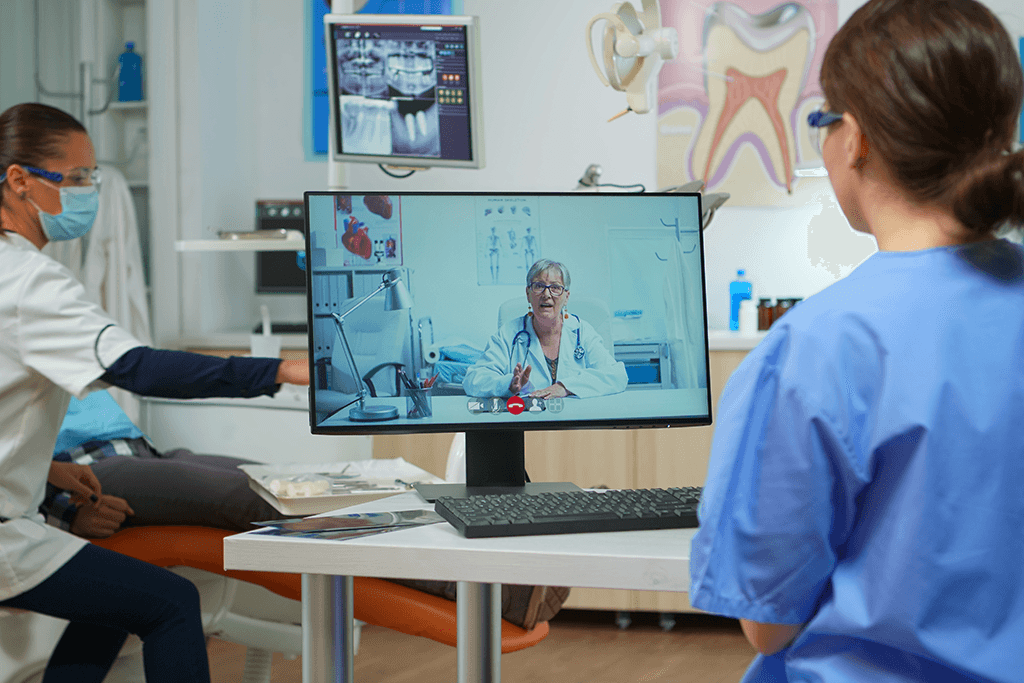
Telemedicine has become an essential part of the healthcare landscape in the United States. It offers convenient and timely access to medical care. As patient expectations for remote care continue to rise, telemedicine software must evolve to give both clinicians and patients a seamless experience. Demand for modern telemedicine software has surged, driven by the need for better access to care, cost-efficiency, and improved patient outcomes.
According to the 2024 National Telehealth Survey, 54% of Americans have now had a telehealth visit, and satisfaction among telehealth users remains high. 89% of those who have used telehealth say they were satisfied with their most recent visit. This figure has stayed above 86% for the past four years (POS.org). As telemedicine software becomes a key part of healthcare delivery, its features need to be robust, intuitive, and adaptable to meet diverse patient and provider needs.
This article outlines the 12 must-have features that modern telemedicine platforms should have to deliver high-quality care, efficient workflows, and patient satisfaction. From video consultations and appointment scheduling to secure messaging and EHR integration, each feature plays a key role in effective virtual healthcare.
1. High-Quality Video & Audio Communication
High-quality video and audio communication is a fundamental feature of telemedicine software. It lets healthcare providers conduct accurate, real-time consultations without compromising care quality.
Clear Video & Audio for Accurate Assessments
Telemedicine software must support high-definition video and clear audio to enable accurate visual assessments, especially for conditions that need a detailed look at physical symptoms. Clear communication is essential for building rapport with patients and ensuring a smooth consultation.
Low Latency for Seamless Interaction
In telemedicine, low latency is crucial to avoid delays during the consultation. This helps maintain a natural conversation flow and enables timely decision-making. It improves the overall patient experience.
By ensuring HD quality video/audio and low latency, telemedicine software supports effective and efficient virtual consultations.
2. Secure Messaging and Data Sharing
Secure messaging and data sharing are essential features for confidentiality and compliance in telemedicine software. As concerns about patient privacy grow, secure communication is a priority.
HIPAA-Compliant Messaging
Telemedicine software must provide HIPAA-compliant messaging systems for patient-provider communication. These systems make sure all exchanges of Protected Health Information (PHI) are securely encrypted and compliant with healthcare regulations.
File Sharing & Document Security
Secure file sharing capabilities let providers send and receive medical records, test results, and prescriptions. Encryption keeps sensitive documents private and prevents unauthorized access during transmission.
By integrating secure messaging and file sharing, telemedicine software keeps patient data confidential and protected.
3. EHR Integration for Seamless Data Flow
EHR integration is crucial for telemedicine software. It ensures that patient data flows seamlessly between virtual consultations and the hospital’s existing EHR system.
Access to Comprehensive Patient Records
Integration with EHR systems gives clinicians real-time access to a patient's medical history, lab results, prescriptions, and previous diagnoses during the teleconsultation. This builds on core concepts covered in types of medical records in healthcare. It supports comprehensive care and accurate decision-making, similar to in-person visits.
Streamlined Documentation and Data Entry
By connecting telemedicine platforms to EHRs, patient records are automatically updated. This removes the need for manual data entry and reduces the risk of errors, improving efficiency and accuracy in patient care.
By enabling seamless EHR integration, telemedicine software supports continuity of care and improves overall clinical workflow.
4. Appointment Scheduling and Reminders
Automated appointment scheduling is a crucial feature of modern telemedicine software. It lets patients and providers easily book, reschedule, or cancel appointments without manual intervention.
Streamlined Scheduling
Patients can book appointments based on provider availability. This keeps the process smooth and efficient for both parties, reducing administrative time and minimizing scheduling conflicts.
Automated Reminders
Automated reminders sent via SMS or email help reduce no-shows and help patients remember their appointments. They are often implemented as part of wider automation in healthcare initiatives. These notifications can be customized to fit the needs of the practice, reminding patients of the date, time, and any pre-appointment instructions.
By integrating these features, telemedicine platforms improve workflow efficiency and patient engagement, leading to better care delivery.
5. Virtual Waiting Room
A virtual waiting room is an essential feature for streamlining patient flow and keeping telemedicine consultations smooth. Just like in a physical clinic, it lets patients check in and wait securely until the provider is ready for the session.
Patient Verification & Security
The virtual waiting room also serves as a security checkpoint, verifying patient identities before the consultation begins. This makes sure the right individual is accessing the session, strengthening confidentiality and preventing unauthorized access.
Organized Patient Flow
This feature helps manage multiple consultations efficiently, reducing downtime between appointments and keeping the schedule structured. By organizing patient flow, the virtual waiting room supports timely visits and improves overall clinic efficiency.
6. Payment Integration and Billing Support
Payment integration is a critical feature for telemedicine software. It allows hassle-free billing for virtual consultations and services. Telemedicine platforms that support secure online payment gateways let patients pay for services directly through the platform, whether by credit card, insurance, or other methods.
Insurance Claim Processing
Telemedicine software can also integrate with insurance systems, allowing real-time claim submissions and verification of patient eligibility. This reduces billing errors and speeds up reimbursement.
Invoicing and Financial Management
In addition to payment processing, telemedicine software can generate invoices and manage financial records, streamlining administrative tasks and improving efficiency.
By incorporating payment features, telemedicine platforms deliver a seamless financial experience for both providers and patients. This reduces administrative burdens and improves the overall user experience.
7. Telehealth & Remote Monitoring Capabilities
Telehealth and remote monitoring capabilities are essential features in modern telemedicine software. They let healthcare providers track patients’ health remotely using connected devices and IoT in healthcare for remote patient monitoring. These tools support continuous care for patients with chronic conditions or those needing post-consultation follow-ups.
Remote Monitoring Tools
Remote monitoring tools collect real-time data such as vital signs, blood sugar levels, and heart rate via connected devices. This lets providers monitor patient health without requiring in-person visits.
Real-Time Data Analysis
Software can analyze this data and provide insights, helping clinicians make data-driven decisions. It also enables early intervention, which reduces hospital readmissions and improves overall patient outcomes.
By integrating remote monitoring into telemedicine, healthcare providers can offer comprehensive care while cutting patient travel and wait times.
8. AI-Powered Diagnostics & Decision Support
AI-powered diagnostics and decision support tools are transforming telemedicine by improving clinical decision-making. These features use machine learning algorithms to analyze patient data, detect patterns, and assist healthcare providers in diagnosing conditions.
AI-Assisted Diagnosis
AI systems can analyze medical records, lab results, and imaging data to identify potential issues or suggest possible diagnoses. This helps clinicians make faster, more accurate decisions.
Clinical Decision Support Systems (CDSS)
Telemedicine software often integrates CDSS to provide real-time recommendations based on the latest clinical guidelines. This helps reduce errors, supports evidence-based treatment, and improves patient care outcomes.
AI in telemedicine enables better decision-making by giving providers data-driven insights. This ultimately improves both efficiency and care quality.
9. Multilingual and Accessibility Features
Multilingual and accessibility features are essential so telemedicine software can accommodate a diverse patient base. These features make healthcare more inclusive and accessible for patients from different backgrounds and with varying abilities.
Multilingual Support
Telemedicine platforms should support multiple languages to serve patients who may not speak English fluently. Language options increase patient engagement and support clear communication during virtual consultations.
Accessibility for Disabilities
Compliance with WCAG 2.1 (Web Content Accessibility Guidelines) makes the software accessible to people with disabilities. This includes screen reader compatibility, high-contrast design, and keyboard navigation for users with visual or motor impairments.
By offering these features, telemedicine platforms make healthcare accessible to all and build greater patient trust and satisfaction.
10. Customizable Templates and Clinical Notes
Customizable templates and clinical notes are vital features for telemedicine software. They streamline the documentation process and keep patient care consistent and efficient.
Template Customization
Telemedicine platforms should let providers customize SOAP notes or treatment plans to suit their specialty or practice requirements. This reduces manual entry, increases efficiency, and makes sure all critical information is captured.
Standardized Progress Tracking
Templates for patient progress tracking can standardize how clinicians document symptoms, treatment responses, and medication adherence. This keeps each session documented consistently for accurate records and reporting.
By offering these features, telemedicine software helps optimize clinician workflow, reduces administrative burden, and improves care continuity.
11. Patient Health Data Management and Tracking
Patient health data management and tracking is a crucial feature for telemedicine platforms. It lets healthcare providers monitor patient progress over time.
Tracking Health Indicators
Telemedicine software should let providers track key health metrics like blood pressure, blood sugar levels, and mental health status. This matters most for managing chronic conditions or long-term treatments.
Medication Adherence & Progress Monitoring
Software should offer tools for monitoring medication adherence and tracking patient progress. These include automatic reminders, follow-ups, and health questionnaires.
By integrating these features, telemedicine platforms keep health data continuously updated. This lets clinicians provide personalized care and make informed decisions in real time.
12. Compliance with HIPAA and Other Regulatory Standards
Compliance with HIPAA and other regulatory standards is critical for telemedicine software to ensure data privacy and security. Healthcare providers rely on telemedicine platforms to handle sensitive patient data securely and meet strict legal requirements.
HIPAA Compliance
Telemedicine platforms must meet HIPAA regulations to safeguard Protected Health Information (PHI). This includes data encryption, secure access controls, and audit trails that track access to sensitive information.
Other Regulations
Depending on the location and patient demographics, telemedicine software may also need to comply with GDPR (for European patients) or CCPA (for California residents). Meeting these regulations protects both patients and healthcare providers from potential legal issues.
Compliance in telemedicine platforms builds trust with patients and protects confidentiality at every stage of care.
Case Study: Latent’s Successful Telemedicine Software Development
Latent has successfully developed and implemented telemedicine platforms for healthcare providers, improving patient care and streamlining operations. Below is a notable example that shows the impact of telemedicine software on healthcare delivery.
Case Study : Allodoc Telemedicine Platform
Challenge: Allodoc, a healthcare provider offering telemedicine services, needed a scalable platform that could handle video consultations, appointment scheduling and patient management.
Solution: Latent developed a secure, cloud-based telemedicine platform integrated with EHR systems, allowing for seamless data flow between virtual consultations and patient records. The platform featured high-quality video/audio communication, automated scheduling, and secure messaging.
Results: The platform significantly improved patient access to healthcare, reduced administrative burden, and enhanced the overall patient experience by streamlining care delivery and improving scheduling efficiency.
Conclusion
From high-quality video consultations and secure messaging to EHR integration and remote monitoring capabilities, these features help telemedicine platforms deliver safe, efficient, and user-friendly healthcare experiences.
By choosing the right features and staying compliant with regulations like HIPAA, healthcare organizations can boost patient engagement, improve care outcomes, and streamline workflows. The right telemedicine software not only saves time but also delivers better healthcare at a distance.
Ready to implement or upgrade telemedicine software for your organization? Start with our telemedicine app development expertise or learn what goes into building a healthcare app.
Contact Latent to schedule a free discovery call and learn how we can help you implement the ideal telemedicine solution tailored to your needs.