

Telemedicine App Development
Future-Ready Telemedicine Apps with Built-In Compliance and Scalability
From video consultations to remote monitoring, build secure, scalable, regulation-ready virtual care platforms tailored to your workflows.
What Your Telemedicine App Can Include
Every build is shaped to your care model. These are the capabilities most telemedicine projects include, and the ones we usually start with.
 Secure video consultations
HIPAA-ready video built on proven SDKs such as Twilio, Dolby, 100ms and WebRTC, with token-based authentication, encrypted media and session logs.
 Scheduling and reminders
Individual provider calendars, booking, smart reminders and follow-ups that keep patients coming back.
 E-prescribing and pharmacy
E-prescription integrations and partner pharmacy connections, added as your service grows.
Payments and billing
Payment gateway integration, with insurance claims processing available as a later module.
EHR and EMR integration
Connect to EMRs such as Epic and HL7/FHIR-based systems so consultation notes and patient data flow into the record.
Remote monitoring and wearables
Bring in data from wearables such as Apple HealthKit and Google Fit and connected devices, shown on a clinician dashboard.
Multi-provider, multi-specialty care
Role-based access, per-provider calendars and admin dashboards for group practices and multi-specialty clinics.
Accessible and multilingual
WCAG-aligned interfaces with large tap zones, minimal screens, multilingual support and optional family access, tested with users aged 18 to 75+.
Telemedicine Platforms We Build
From a single-doctor consult app to multi-specialty networks, the right scope depends on how care is delivered.
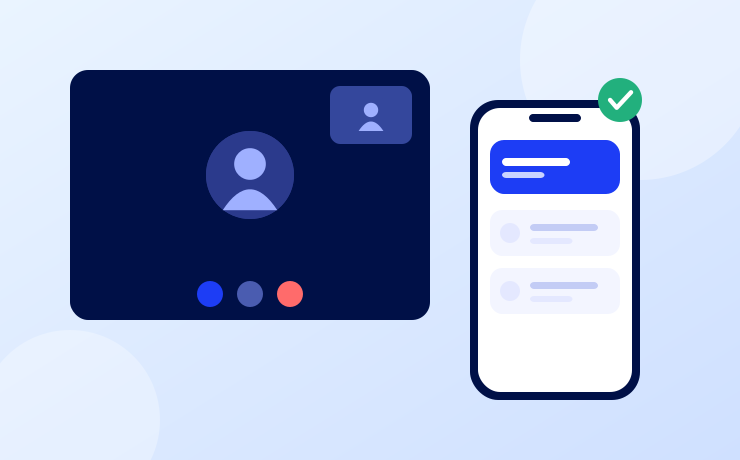
Direct-to-consumer virtual care
Doctor-led video consults, e-prescriptions and follow-ups, like the Allodoc platform we built, which reached 10x user growth in 4 months.
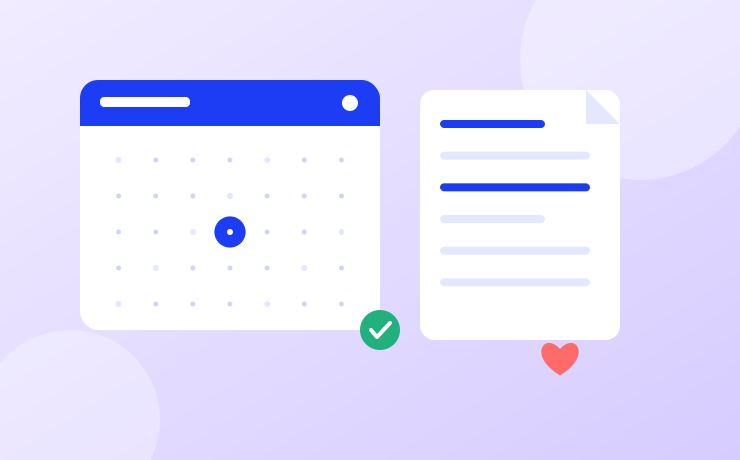
Specialty and follow-up-heavy care
Workflows shaped to the care model, such as mental health, dermatology or chronic care, including consult flows, forms and care plans.
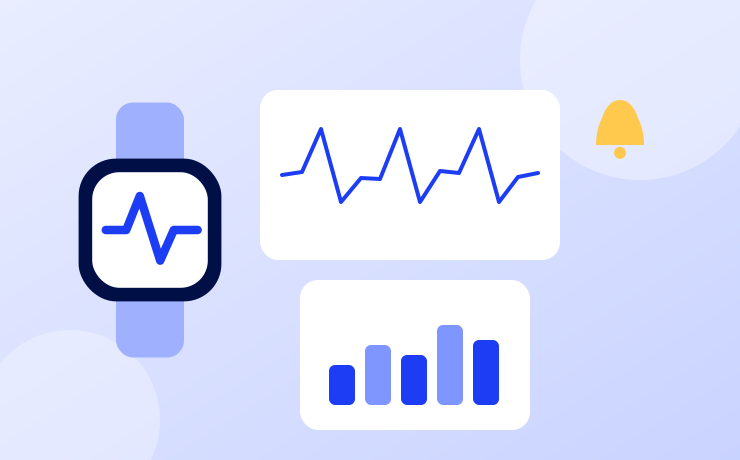
Connected-device and monitoring platforms
Virtual monitoring dashboards fed by wearable sensors, like CardiacSense, which saw a 60% improvement in user retention after launch.
Security, Compliance and Interoperability Built In
Virtual care handles sensitive health data in real time. Compliance and integration are part of the architecture from the first sprint.
HIPAA, GDPR and ABHA
Privacy and security designed in from the start, with secure cloud infrastructure, audit trails and end-to-end encryption.
Encrypted video and access control
Token-based authentication, role-based access, session logs and encrypted media on every consultation.
HL7 and FHIR interoperability
Standards-based exchange with EMRs, labs and pharmacy systems, so the app fits the systems you already run.
OWASP security practices
Regulatory and security standards built into every layer of the app, not added at the end.
When monitoring becomes a medical device
Remote-monitoring features that inform diagnosis or treatment can be regulated as medical device software. Our medical device software development team builds to IEC 62304, and our guide explains Software as a Medical Device.
Telemedicine App Development Cost and Timeline
Cost depends on the features you need, integrations, compliance scope and how many providers and specialties you serve. Most clients start with a lean MVP and expand based on user feedback.
Starter
From $20,000
Secure video consultations, appointment booking, chat, patient and provider profiles and payments, launched as a lean MVP. Typically 8–14 weeks.
Standard
Typically $35K–$100K
Adds e-prescribing, scheduling logic and reminders, EHR connections, multi-provider support and admin dashboards.
Advanced
Typically $100K–$200K+
Multi-specialty platforms with deeper EHR integration, remote monitoring and wearable data, insurance claims and enterprise-grade security.
Beyond development, budget for cloud hosting (AWS, Azure), video call minutes if you use Twilio or Agora, and third-party API costs such as payment gateways. We help you model these up front. See our healthcare app development cost guide for how scope drives cost. Share your care model and we will scope your build and price against it. You own the code, IP and data.
Why Healthcare Brands Choose Latent for Telemedicine App Development
Deep Virtual Care ExpertisePlatforms built for mental health, chronic care, and specialty consults—designed around real provider workflows and patient behavior.
Compliance-Ready from Day OneHIPAA, GDPR, and ABHA-compliant apps with secure cloud infra, audit trails, and end-to-end encryption.
Designed for AdoptionIntuitive, WCAG-compliant UX that works across devices, bandwidths, and user types—from rural patients to multitasking clinicians.
Seamless IntegrationsWe connect with EMRs (such as Epic), wearables (HealthKit, Google Fit), pharmacy systems, and payment gateways—so you don’t have to.
Fast MVPs That ScaleLaunch in 8–14 weeks with agile sprints and reusable modules—perfect for validation, pilots, or investor demos.
Tailored to Your Care ModelFrom video consults to multilingual care plans—we custom-build features that fit your specialty, not a generic template.
Client Success Stories in Telemedicine Apps
Allodoc — Doctor-Led Virtual Care Platform
We developed real-time video consultations, e-prescriptions, and follow-ups for a D2C virtual care platform. ✅ 10x user growth in 4 months ✅ 75%+ appointment retention with smart reminders & UX

CardiacSense — Device + Telehealth Integration
Built a connected dashboard integrating cardiac data from wearable sensors into a virtual monitoring platform. ✅ 60% improvement in user retention post-launch ✅ Fully integrated with e-commerce and lead generation stack

Our Process: From Idea to Industry-Ready Platform
Let's Talk About Your Use CaseDiscovery & Requirements Mapping
Deep dive into your care workflows, user flows, and compliance needs.
UX/UI Design
Patient- and clinician-focused interfaces that work on any device and bandwidth.
Agile Development
Sprint-based releases for faster validation, iteration, and feedback loops.
Compliance & Testing
Built-in QA for HIPAA, ABHA, GDPR, and industry-specific validations.
Deployment & Ongoing Support
Cloud launch, updates, and long-term maintenance with full IP handoff.
Healthtech Is Our CoreFrom virtual care to remote patient monitoring, 80% of our work is in healthcare.
Compliance, Built InHIPAA, ABHA, GDPR, OWASP—we bake regulatory standards into every layer of your app.
Designed for AdoptionWe craft intuitive, accessible experiences that patients and providers actually use.
Why Choose Latent for Telemedicine App Development?
Connect With Our Product ExpertSupported Platforms & Integrations
We Build For
 Swift (IOS)
 Kotlin (Android)
 React Native
 Flutter
 React (Web)
 Vue.js (Web)
 Angular (Web)
 PWAs
We Integrate With
EHRs
 Epic
 DrChrono
 HL7/FHIR-based EMRs
RPM & Wearables
 Apple HealthKit
 Google Fit
 Bluetooth/BLE APIs
Video SDKs
 Twilio
 WebRTC
 Agora
Infra
 AWS
 Azure
 GCP
Payments & CRMs
 Stripe
 Razorpay
 Custom CRMs
 Pharmacy systems