
EHR & EMR Software Development Company
EHR Solutions Designed to Reduce Admin Load and Improve Patient Care
As an EHR and EMR software development company, we build secure, compliant systems tailored to real clinical workflows. From custom EMRs for specialty practices to full hospital platforms, our solutions help improve care delivery, efficiency, and patient experience.
What Your Custom EHR or EMR System Can Include
Every system we build is scoped to your specialty and workflows. These are the core capabilities most EHR and EMR projects include, and the ones we usually start with.
 Patient records and charting
Structured clinical records, specialty-specific templates and charting tools built around how your clinicians actually document, not a generic form.
 Scheduling and practice management
Appointments, documentation, billing, payments and reporting in one system, so front-desk and clinical teams stop switching between tools.
 E-prescribing
Electronic prescribing built directly into the clinical workflow, alongside orders and visit documentation.
Lab, imaging and device integration
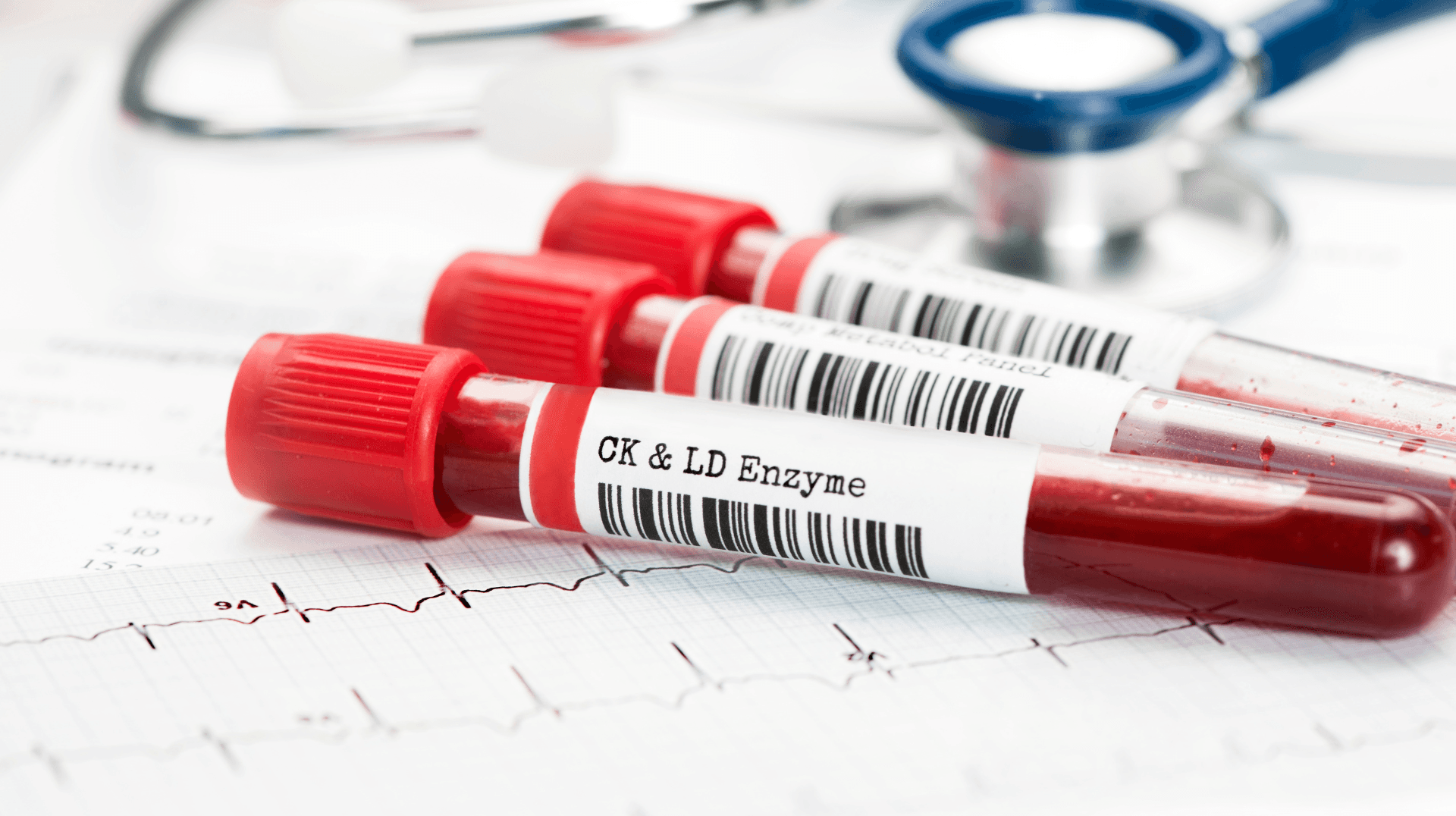
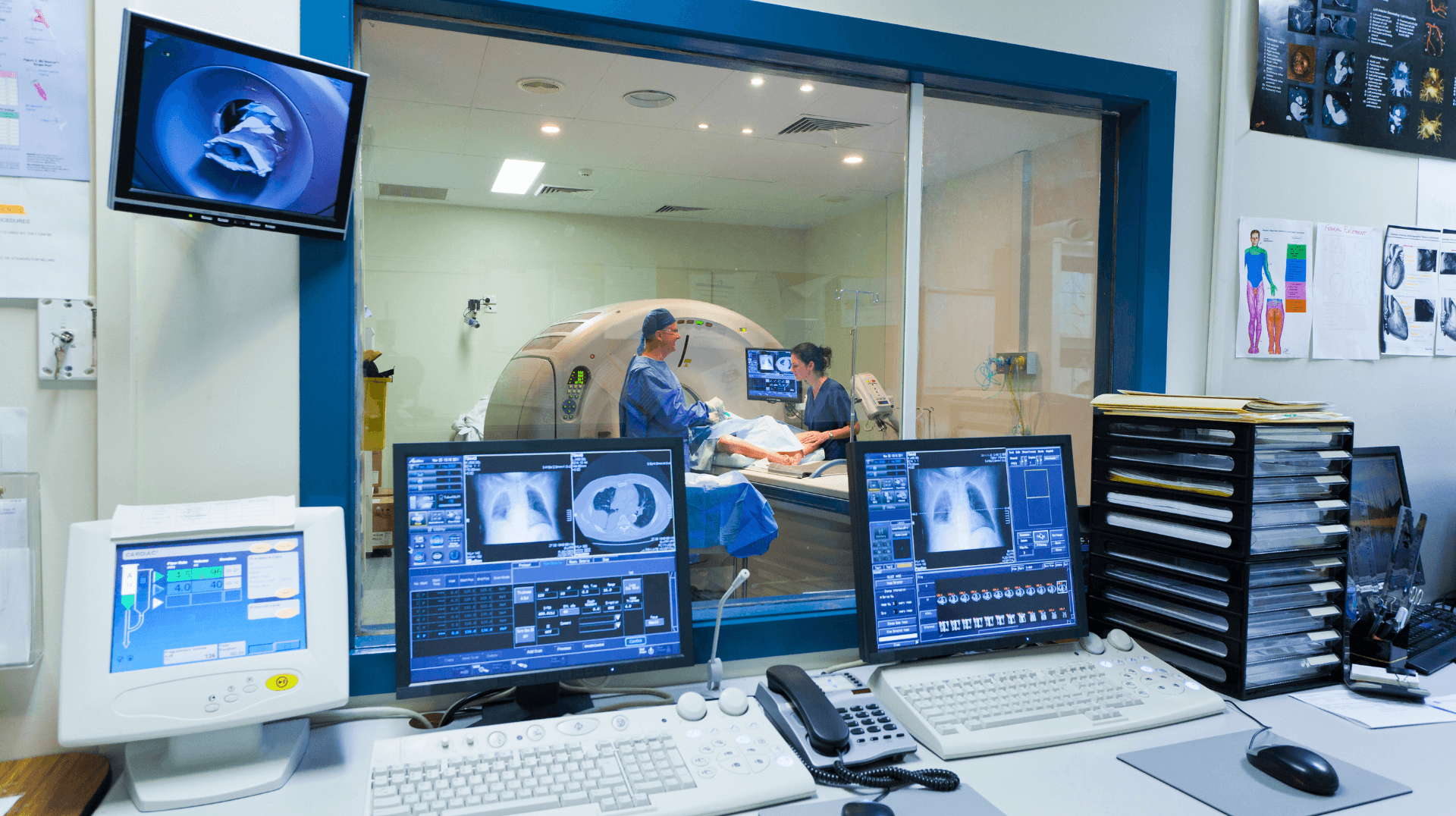
Connect the lab systems, imaging software (PACS and DICOM-compatible tools), LIMS and wearables you already use through HL7 and FHIR.
Billing and payments
Billing and payment workflows with Stripe, Razorpay and insurance-system integrations, kept in step with the clinical record.
Patient engagement
Patient-facing access to records, messaging and follow-ups, which can extend into a full patient portal.
Role-based access and audit trails
Role-based access control, audit logs and encrypted storage, so every action on a patient record is controlled and traceable.
Reporting and registries
Dashboards and disease registries for outcomes and operations, like the oncology registry we built for Formly at Tata Memorial.
When Custom EHR Development Makes Sense
Off-the-shelf EHRs work for many organisations. Custom development pays off when one or more of these is true.
Your specialty workflow does not fit a template
Off-the-shelf EHRs are built for the average practice. Dialysis sessions, oncology registries and fertility care need data models and charting a generic system can only imitate with heavy workarounds.
You are building a digital health product
If the patient record is part of your product, not just your back office, you need an EHR you control, with your own data model, integrations and roadmap.
You need systems that do not talk to each other to connect
A custom build lets us design HL7 and FHIR integrations around the labs, imaging tools and devices you actually use.
You want to own the platform
You receive a full IP handoff, so the code, data and roadmap stay yours, with ongoing support from us if you want it.
EMR or EHR for a Practice, Clinic or Hospital?
An EMR is the digital record for a single practice, while an EHR shares that record across providers and care settings. Which one you need, and how large it should be, drives scope, cost and timeline, so we settle it with you before building.
Specialty practices
A custom EMR built around one specialty's workflows, like the nephrology EHR we built for dialysis sessions, lab results and patient history. We also build for oncology, fertility and dermatology.
Multi-location clinics
Patient and staff management across sites: scheduling, documentation, billing and performance tracking, as in the clinic management platform we built for a growing multi-location network.
Hospitals and health systems
Integrated systems across departments, covering labs, pharmacy, admissions and discharge, connected to the systems and imaging tools you already run.
AI Features We Build Into EHR and EMR Systems
AI is most useful in an EHR when it removes documentation and search work from clinicians. A clinician stays in the loop on every output, and we build within your HIPAA and data-privacy requirements.
AI-assisted clinical documentation
Draft visit notes and summaries from clinician input and patient history, written into structured fields for the clinician to review, edit and sign off.
Clinical decision support and risk flags
Surface patterns in labs, vitals and history, such as overdue follow-ups or concerning trends, as alerts inside the workflow instead of a separate tool.
Smart chart search and summaries
Natural-language search across a patient's record and quick summaries of long histories, so clinicians find what matters faster.
Read more in our guide to AI in healthcare product development.
Security, Compliance and Interoperability Built In
Healthcare data is regulated data. Compliance and integration are part of the architecture from the first sprint.
HIPAA, GDPR and ABHA
Privacy and security requirements designed in from day one, not retrofitted before launch.
21 CFR Part 11 and audit logging
21 CFR Part 11 requirements, audit logs and role-based access control for regulated and research data.
HL7 and FHIR interoperability
Standards-based data exchange with your existing EHRs, lab systems and imaging tools, so the new system fits your environment instead of becoming another silo.
Secure engineering
OWASP security standards, encrypted storage and audit logging across the stack.
Data migration
Secure migration from your existing EHR or EMR with minimal disruption to day-to-day operations.
EHR Development Cost and Timeline
Cost depends on the specialties and workflows involved, the modules you need (scheduling, billing, e-prescribing, charting), integrations, compliance scope and how much existing data we migrate. These ranges give a realistic starting point.
Starter build
From $40,000
A working EHR or EMR core for one specialty or clinic workflow, delivered as a focused MVP or as a broader first release, depending on scope. Most MVPs go live in 6–10 weeks, in sprints with clinical validation built in. A broader first release takes longer, and we scope it with you.
Full custom build
Typically $150K–$500K
For small and mid-size practices and clinics. Reaching feature parity with enterprise systems typically takes 12–18 months, with ongoing development beyond that.
Hospital platform
Typically $500K–$2M
Multi-department, multi-site systems with deeper integrations, larger data migrations and wider compliance scope.
The full-build ranges come from our EHR implementation cost breakdown. Share your workflows and integration needs and we will scope your build and price against it.
Why Healthcare Providers Trust Latent for EMR Software
Deep Experience Across Clinical WorkflowsTrusted by hospitals, clinics, and health systems across 14 countries—specialized in nephrology, oncology, fertility, and more.
Compliance from Day OneHIPAA, ABHA, GDPR, HL7/FHIR, and 21 CFR Part 11 baked into every build.
Seamless IntegrationsBuilt to work with existing EHRs, lab systems, imaging software, wearables, and third-party tools.
Designed for AdoptionClean, role-based interfaces built for doctors, nurses, admin staff, and patients.
Rapid MVPsGo live in 6–10 weeks with sprint-based delivery and clinical validation built in.
Long-Term PartnerFrom pilot to national scale—ongoing support, enhancements, and roadmap ownership.
Case Studies in EMR and Clinical Software
Nephrology Software – Speciality EMR System
Built a custom nephrology EHR to manage dialysis sessions, lab results, and patient history. ✅ Improved documentation accuracy and clinical workflows ✅ Centralised patient history with real-time care coordination

DCME – Clinic Management Platform
Developed a patient and staff management system for a growing multi-location clinic network. ✅ Digitised operations, appointment scheduling, and patient records ✅ Reduced manual tasks by over 60%
Formly (Tata Memorial) – Oncology Data Management
Created a disease registry and record management system for oncology specialists. ✅ Improved access to real-world patient insights ✅ Streamlined cancer-specific EMR documentation
Custom EMR & EHR Software Solutions
Custom EMR Software Development
Bespoke EMR platforms built for specific specialities, workflows, and compliance needs.

EHR Software Development Company
Enterprise-grade EHR systems with robust patient records, e-prescriptions, and charting tools.

Speciality EHR Solutions
Custom-built for nephrology, oncology, fertility, dermatology, and other domains.

Practice Management Software
Tools for appointment scheduling, billing, documentation, and clinic performance tracking.

Hospital Management System (HMS) Development
Integrated systems for multi-department hospitals—covering labs, pharmacy, admissions, and discharge.

Patient Care Management Platforms
Care coordination tools for chronic disease management, post-discharge follow-ups, and population health.
Our Process: From Idea to Industry-Ready Platform
Let's Talk About Your Use CaseDiscovery & Requirements Mapping
Deep dive into your protocols, user flows, and compliance needs.
UX/UI Design
Researcher- and participant-focused interfaces to maximize usability.
Agile Development
Sprint-based releases for faster validation, iteration, and feedback loops.
Compliance & Testing
Built-in QA for HIPAA, ABHA, GDPR, and industry-specific validations.
Deployment & Ongoing Support
Cloud launch, updates, and long-term maintenance with full IP handoff.
Built by Experts in Healthcare TechSpecialized teams for nephrology, oncology, fertility, and chronic care platforms.
Fully Transparent DeliveryClear timelines, dedicated PMs, and milestone-based reporting.
Secure & Scalable from Day OneBuilt with clinical precision and scalable architecture.
Why Choose Latent for EHR Software Development?
Connect With Our Product ExpertSupported Platforms & Integrations
We Build For
 Swift (IOS)
 Kotlin (Android)
 React Native
 Flutter
 React (Web)
 Vue.js (Web)
 Angular (Web)
 PWAs
We Integrate With
EMRs/EHRs
 HL7
 FHIR
 Epic
 Cerner
 Custom clinical systems
Lab & Imaging
 PACS
 LIMS
 DICOM-compatible tools
Payments & Billing
 Stripe
 Razorpay
 Insurance systems
Wearables & Devices
 Apple HealthKit
 Google Fit
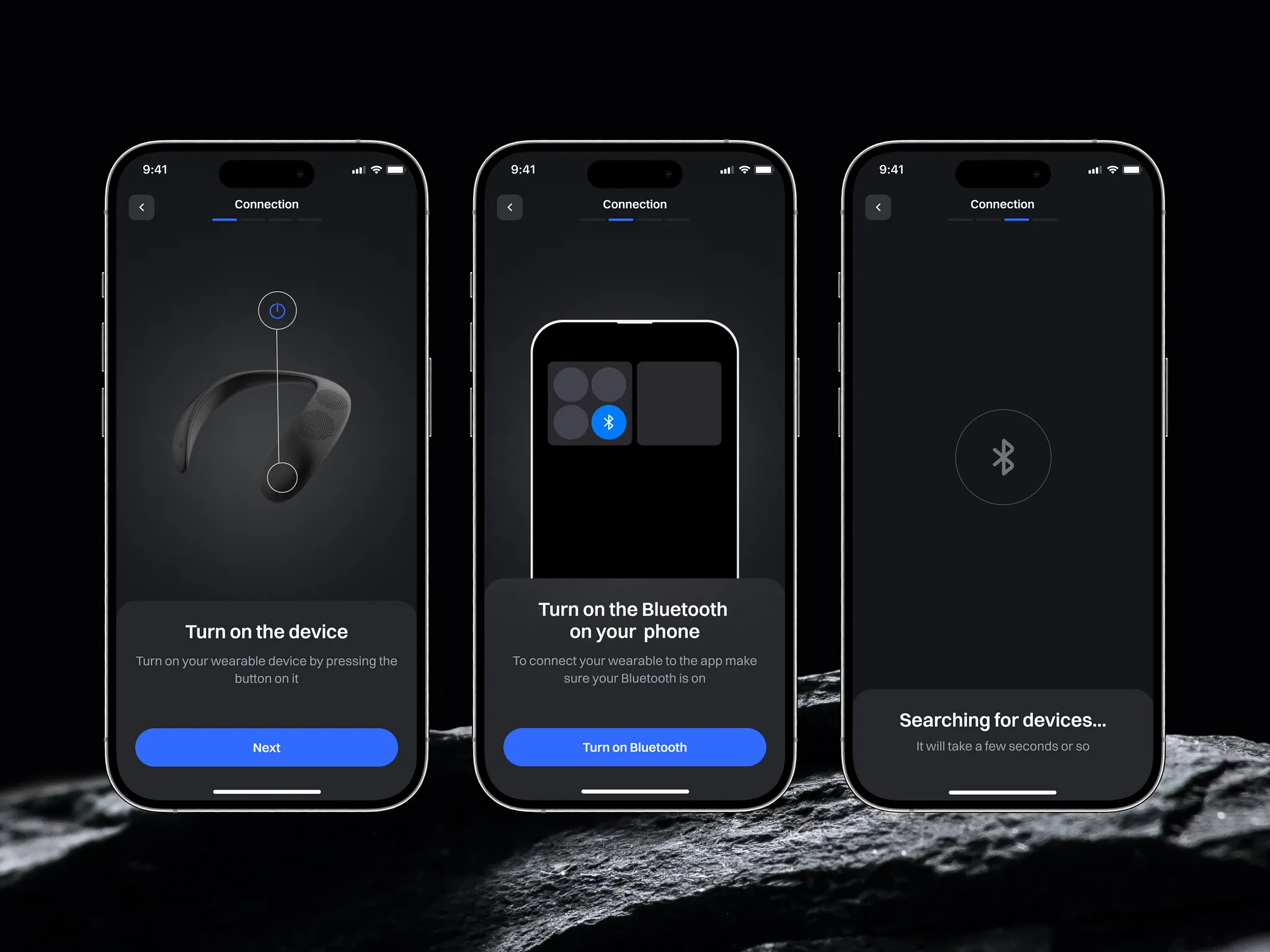
 Bluetooth devices
CRM & Communications
 Twilio
 WhatsApp APIs
 Salesforce