Product Development
January 9, 2026

Chinmay Chandgude
Top Remote Patient Monitoring Devices


The demand for remote patient monitoring devices has accelerated as health systems shift toward home-based care models. In the U.S., RPM adoption has grown rapidly after Medicare expanded reimbursement, with studies showing that nearly 70% of health systems now use some form of RPM for chronic disease management. This growth reflects a clear operational goal: collecting real-time patient data that integrates seamlessly into clinical workflows and reduces dependency on in-clinic monitoring.
As hospitals modernize, leaders increasingly ask what is remote patient monitoring and how it strengthens care delivery. At its core, remote patient monitoring devices in healthcare collect vitals such as blood pressure, glucose, oxygen saturation, ECG signals, activity trends, and weight transmitting that data directly into the patient’s medical record for continuous tracking.
What Are the Most Common Remote Patient Monitoring Devices?
Healthcare teams asking what is remote patient monitoring in healthcare are usually trying to understand two things: which remote patient monitoring devices matter most, and how they plug into existing clinical workflows. In practice, remote patient monitoring systems use connected sensors to capture vitals at home, transmit data through secure platforms, and feed it into EHRs so clinicians can spot risk earlier. U.S. RPM use has grown sharply, with CMS reporting steady year-on-year increases in claims for RPM codes since 2019, especially for chronic disease programs.
To make this concrete, here are the core remote patient monitoring devices in healthcare that we focus on in this guide, a mix of mature tools and emerging remote patient monitoring technology:
Blood pressure monitors for hypertension and heart failure
Glucometers and continuous glucose monitors (CGMs) for diabetes
Pulse oximeters for oxygen saturation and respiratory status
ECG patches and cardiac wearables for arrhythmia and rhythm monitoring
Activity trackers and multi-parameter wearables for HR, HRV, sleep, and mobility
Smart scales for weight and fluid retention
Digital thermometers and continuous temperature sensors for infection and oncology
Emerging devices such as connected spirometers, lung-function monitors, multi-parameter biosensor patches, fall-detection sensors, and at-home neurological assessment tools
For teams designing or scaling RPM programs, success depends on how well these wearable remote patient monitoring devices and home sensors integrate with core clinical systems; our guide on Top EMR Integration Tools to Connect Healthcare Systems breaks down those integration patterns in detail.
1. Blood Pressure Monitors: How They Support Chronic Care Programs
Blood pressure monitors are one of the most widely used remote patient monitoring devices because hypertension management depends on frequent, accurate readings. Continuous at-home measurements allow clinicians to detect trends such as morning surges, medication non-adherence, and fluid retention insights that rarely appear during in-clinic checks. Studies show that RPM-led hypertension programs can reduce systolic blood pressure by 8–12 mmHg on average, improving long-term cardiovascular outcomes.
In most remote patient monitoring systems, these devices sync automatically with a mobile app or hub, transmitting readings to a clinician dashboard for review. This is where interoperability becomes critical: structured data must flow cleanly into the EHR to support decision-making, alerts, and documentation.
2. Glucometers & Continuous Glucose Monitors (CGMs)
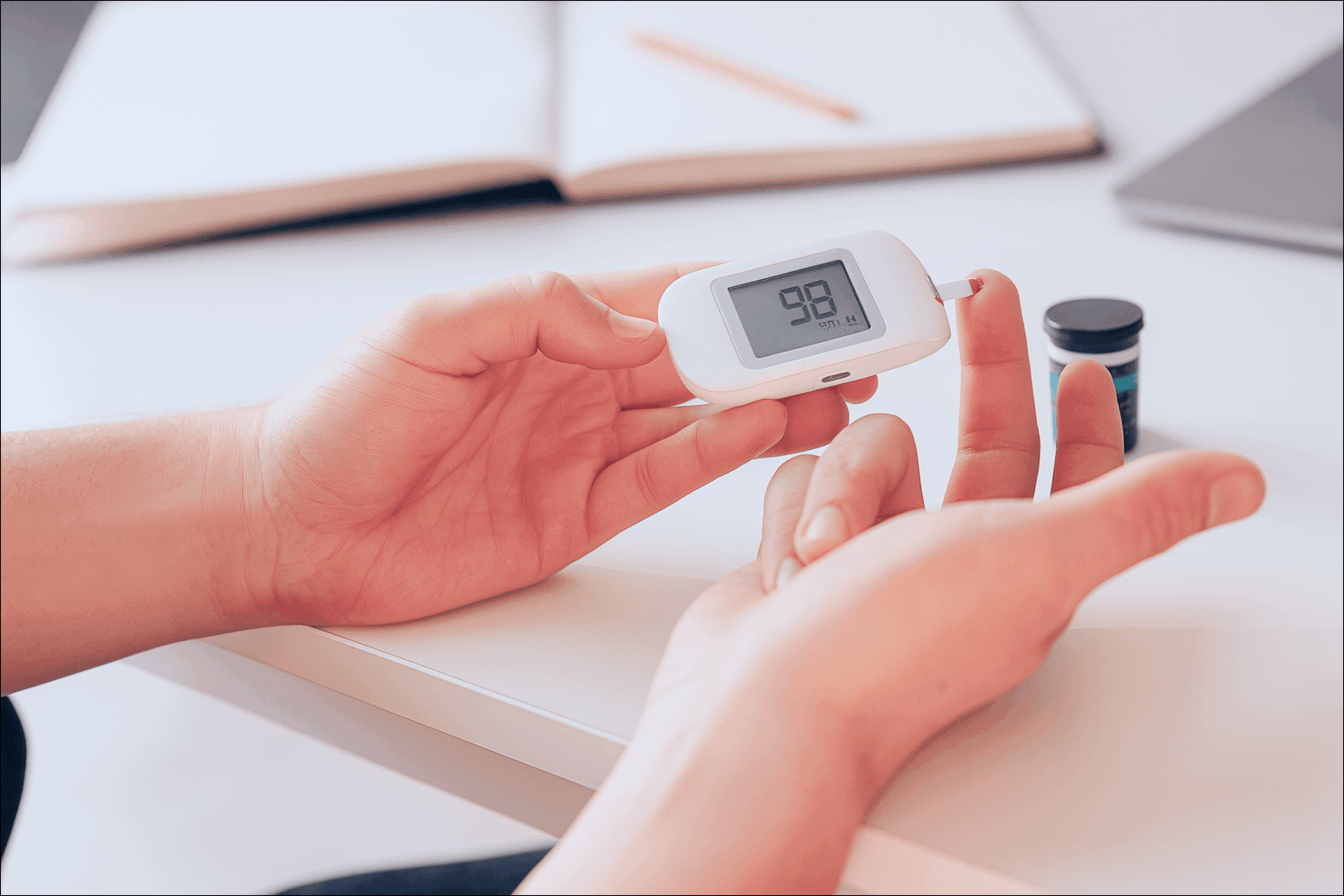
Glucometers and continuous glucose monitors are essential remote patient monitoring devices for diabetes programs, enabling clinicians to track glucose variability, fasting levels, and post-meal spikes in real time. For providers asking what is remote patient monitoring in healthcare for metabolic conditions, CGMs offer the clearest example: continuous data streams that identify hidden hypoglycemia and hyperglycemia patterns long before a clinic visit. Clinical studies show that CGM-based RPM programs lower HbA1c by 0.5–1.0% within 12 weeks when integrated into care workflows.
As part of broader remote patient monitoring systems, CGMs transmit time-in-range metrics and alerts directly to the provider dashboard. This enables early medication adjustments, diet recommendations, and proactive outreach. For health systems leveraging predictive models on glucose patterns, our guide on Predictive Analytics in Healthcare explains how structured RPM data supports early-risk detection. When combined with automated nudges and EHR-driven care pathways, CGMs are among the most effective remote patient monitoring devices in healthcare for reducing complications and emergency visits.
3. Pulse Oximeters: Monitoring Respiratory Stability at Home
Pulse oximeters are among the simplest yet most impactful remote patient monitoring devices, especially for patients with COPD, asthma, pneumonia, long COVID, and post-surgical respiratory risks. These devices track oxygen saturation (SpO₂) and pulse rate, giving clinicians early visibility into declines in respiratory function that may otherwise go unnoticed. During the COVID-19 surge, home-based SpO₂ monitoring reduced unnecessary hospital visits by over 20%, while enabling faster escalation for patients showing silent hypoxia.
Within modern remote patient monitoring systems, pulse oximeters provide continuous or periodic readings transmitted to provider portals through Bluetooth or cellular hubs. Their data becomes even more valuable when paired with IoT frameworks for automated alerting. For teams exploring how connected sensors enable respiratory care, our guide on IoT in Healthcare: Remote Patient Monitoring offers a deeper breakdown of device connectivity and workflows.
Because they require minimal training and generate high-actionability data, pulse oximeters are often the first remote patient monitoring devices in healthcare adopted in population-scale respiratory programs.
5. Smart Spirometers: Advancing Home-Based Respiratory Monitoring
Connected spirometers are reshaping how clinicians manage chronic lung conditions by bringing daily respiratory assessments into patients’ homes. Instead of relying solely on occasional clinic visits, these devices measure key lung functions such as forced expiratory volume (FEV1), forced vital capacity (FVC), and peak flow regularly. This allows healthcare specialists to spot early declines in lung performance that might otherwise go unnoticed.
Clinical studies show that spirometry-based RPM programs can reduce COPD-related hospitalizations by 15–20% when integrated into care workflows. Within modern RPM systems, smart spirometers transmit lung function readings directly to the clinician dashboards, allowing early intervention through medication adjustments, inhaler optimization, or telehealth consultations. With simple patient use and dependable connectivity through Bluetooth or cellular networks, connected spirometers have become a cornerstone of respiratory monitoring for chronic respiratory condition management, especially in COPD, asthma, and post-COVID recovery programs.
6. ECG Patches & Cardiac Monitoring Wearables
ECG patches and cardiac wearables are high-value remote patient monitoring devices used for arrhythmia detection, heart-rate variability tracking, and continuous rhythm analysis. For health systems asking what are remote patient monitoring devices offer the highest diagnostic yield, ECG-based wearables consistently top the list. Continuous monitoring can detect atrial fibrillation episodes that traditional 24-hour Holter tests often miss, studies show up to a 44% improvement in AFib detection when multi-day wearable ECG patches are used.
Real-world implementations, such as the continuous monitoring approach used in the Cardiac Sense project, demonstrate how wearables can improve detection and patient engagement at scale. Wearable cardiac devices remain a cornerstone of remote patient monitoring systems due to their high-impact data and strong clinical use cases.
7. Activity Trackers & Multi-Parameter Wearables
Activity trackers and multi-parameter wearables have become essential remote patient monitoring devices for long-term health trend analysis. These tools measure daily steps, heart rate, heart-rate variability (HRV), sleep cycles, and mobility patterns giving clinicians a clearer picture of functional status beyond episodic clinic visits. For providers assessing what is remote patient monitoring in healthcare, activity wearables often serve as the easiest entry point due to their familiarity and patient acceptance. Studies show that continuous activity monitoring improves early detection of deterioration by up to 30% in chronic care populations.
Because these tools operate as wearable remote patient monitoring devices, they generate high-frequency data that must be structured and integrated cleanly into care pathways. This is especially relevant for organizations scaling virtual care programs or modernizing legacy systems. For context, our guide on Modernizing Legacy Systems in Healthcare explains how to align new sensor data with existing EHR and analytic environments:
As part of modern remote patient monitoring systems, these multi-sensor devices help clinicians track subtle changes in patient behavior and mobility often before symptoms are verbally reported.
8. Smart Scales: Weight & Fluid Retention Tracking for Chronic Care Programs
Smart scales are valuable remote patient monitoring devices for conditions where small weight changes signal significant clinical risk, particularly heart failure, kidney disease, and metabolic disorders. In heart failure management, a rapid gain of just 2–3 pounds in 24 hours can indicate fluid retention and impending decompensation. RPM programs using connected weight monitors have been shown to reduce heart-failure-related hospitalizations by 18–25%.
When incorporated into remote patient monitoring systems, smart scales transmit daily weight trends to clinician dashboards, enabling early intervention through medication adjustments or telehealth check-ins. These devices also support structured outcome tracking in clinical studies, where weight is a key endpoint. For teams managing multi-site or home-based clinical workflows, our guide on Electronic Data Capture (EDC) in Clinical Trials explains how RPM-generated weight data can be standardized for research and regulatory reporting.
Because they require minimal patient training and operate reliably with Bluetooth or cellular connectivity, smart scales remain one of the most dependable remote patient monitoring devices in healthcare for chronic condition management.
9. Digital Thermometers & Continuous Temperature Sensors
Digital thermometers and continuous temperature sensors are foundational remote patient monitoring devices, particularly for oncology, infectious diseases, and post-surgical recovery. These tools help clinicians detect early fever spikes, one of the most common indicators of infection or treatment-related complications. Studies show that continuous temperature monitoring can identify febrile events 6–12 hours earlier than patient self-reporting, enabling faster escalation and reducing risk for high-acuity patients.
In most remote patient monitoring systems, these sensors send automated temperature readings to provider dashboards, allowing teams to track patterns that may indicate infection, neutropenic fever, or inflammatory responses. For digital health teams integrating thermometric data into mobile workflows, our guide on the Benefits of Mobile Health Apps highlights how app-based notifications and self-reporting features improve patient adherence and daily monitoring quality.
Since temperature is one of the simplest but most actionable vital signs, these devices remain essential to remote patient monitoring devices in healthcare, especially in immunocompromised and chronic-care populations.
10. Neurological Assessment Tools: Remote Cognitive and Motor Function Monitoring
Neurological assessment tools are emerging as a critical category of remote patient monitoring devices, particularly for chronic neurodegenerative conditions and recovery programs. These tools are designed to monitor subtle changes in brain and motor function. These neuro-RPM systems include at-home cognitive tests, motor performance tracking, and speech or movement analysis, all of which provide clinicians with continuous data on neurological health.
Programs such as Everything ALS have demonstrated how digital platforms can collect neurological data remotely, enabling disease monitoring for patients with amyotrophic lateral sclerosis (ALS). Similar approaches are now being applied to Parkinson’s disease, multiple sclerosis, and post-stroke rehabilitation, where continuous assessment of motor skills and cognitive function can guide therapy adjustments and improve patient outcomes.
Clinical studies show that remote neurological monitoring can identify functional decline weeks earlier than traditional in-clinic assessments. These tools enable clinicians to monitor disease progression, tailor rehabilitation strategies, and initiate timely interventions when early indicators of decline are detected.
Emerging RPM Devices: Next-Generation Tools for Advanced Home Monitoring
Healthcare organizations increasingly look beyond standard vitals to more advanced remote patient monitoring devices that capture respiratory capacity, neurological changes, fall risk, and multi-parameter biometrics. These emerging tools illustrate how far remote patient monitoring technology has evolved, expanding from single-sensor devices into continuous, high-resolution clinical monitoring. Adoption of next-gen sensors is accelerating, with global RPM innovation growing at a 12–14% CAGR, driven by chronic disease burden and home-care demand.
Modern remote patient monitoring systems now include:
Connected spirometers & lung-function devices for respiratory monitoring similar to lung-capacity tools used in Airofit’s ecosystem, where data-driven respiratory insights support athlete and patient performance.
Multi-parameter biosensor patches that track ECG, respiratory rate, temperature, and motion through a single wearable.
Fall-detection sensors for elderly care and post-operative recovery.
Digital stethoscopes enabling remote auscultation over telemedicine sessions.
Neurological assessment tools, such as at-home cognitive or motor tests similar to how Everything ALS enabled non-invasive neurological data collection and remote disease monitoring for ALS patients.
These next-generation remote patient monitoring devices in healthcare are paving the way for precision care, delivering deeper physiological insights without requiring in-person testing.
What Are the Benefits of Remote Patient Monitoring Devices for Healthcare Systems?
Improved clinical outcomes with earlier intervention
Remote patient monitoring devices in healthcare enable continuous tracking of vitals like blood pressure, glucose, oxygen saturation, and weight, so clinicians see deterioration before it becomes an emergency.
Structured remote patient monitoring systems have been shown to reduce hospital readmissions by up to 25% and emergency department visits by around 15% in chronic disease programs.
Operational efficiency and reduced manual workload
Automated data capture from remote patient monitoring devices reduces the need for manual vital-sign entry and phone-based follow-ups.
When remote patient monitoring technology is combined with rules-based alerting and task queues, care teams can redirect time from data collection to higher-value clinical decision-making.
Stronger population health and informatics capabilities
RPM programs generate high-frequency, longitudinal data that feed analytics, risk models, and dashboards.
For teams building data-driven programs, our article on Benefits of Health Informatics explains how multi-source data (EHR, RPM, imaging, labs) powers predictive care and stratified interventions.
Higher patient engagement and adherence
Many patients interact more consistently with remote patient monitoring devices than with traditional clinic schedules, especially when combined with mobile apps and reminders.
Studies show that RPM-based chronic care programs can increase medication adherence and self-monitoring engagement by 30–40%, particularly for hypertension and diabetes.
Better foundation for automation and virtual care
Device streams plug directly into automated triage, reminders, and escalation workflows.
Strategic readiness for value-based and hybrid care models
As payment models move toward outcomes and total-cost-of-care, remote patient monitoring devices in healthcare help generate the data needed to demonstrate avoided admissions, improved control rates, and better long-term outcomes.
Health systems that invest early in remote patient monitoring technology and informatics infrastructure tend to be better positioned for value-based contracts and virtual-first service lines.
Conclusion
The rise of remote patient monitoring devices in healthcare is reshaping how clinicians deliver continuous care, manage chronic conditions, and respond to early signs of deterioration. When combined with interoperable remote patient monitoring systems, these devices extend clinical oversight into the home, turning everyday vitals into early-warning signals that help prevent avoidable complications and unplanned hospital visits.
If your organization is planning or scaling an RPM program and needs help designing the architecture, integrating remote patient monitoring devices with existing systems, or validating workflows for compliance, Latent Medical Device Software Development, can act as your technology and implementation partner bringing together software engineering, healthcare domain expertise, and regulatory awareness to make RPM work reliably in practice.
FAQ’s
1. Which remote patient monitoring devices are most commonly used?
The most common remote patient monitoring devices include blood pressure monitors, pulse oximeters, glucometers, ECG patches, activity trackers, smart scales, and temperature sensors.
2. How do RPM devices integrate with EHR systems?
Integration depends on APIs, FHIR protocols, and vendor-built connectors that allow remote patient monitoring devices to send structured data directly into the patient’s chart. This enables automated alerts, documentation, predictive analytics, and billing workflows.
3. Are RPM devices FDA-approved and secure for clinical use?
Most remote patient monitoring devices in healthcare require FDA clearance, adherence to IEC standards, and HIPAA-compliant data transmission. Device software must be validated, encrypted, and tested for accuracy and reliability. Ensuring regulatory alignment is essential for large-scale RPM deployment especially for cardiac, respiratory, and multi-parameter wearables.
The demand for remote patient monitoring devices has accelerated as health systems shift toward home-based care models. In the U.S., RPM adoption has grown rapidly after Medicare expanded reimbursement, with studies showing that nearly 70% of health systems now use some form of RPM for chronic disease management. This growth reflects a clear operational goal: collecting real-time patient data that integrates seamlessly into clinical workflows and reduces dependency on in-clinic monitoring.
As hospitals modernize, leaders increasingly ask what is remote patient monitoring and how it strengthens care delivery. At its core, remote patient monitoring devices in healthcare collect vitals such as blood pressure, glucose, oxygen saturation, ECG signals, activity trends, and weight transmitting that data directly into the patient’s medical record for continuous tracking.
What Are the Most Common Remote Patient Monitoring Devices?
Healthcare teams asking what is remote patient monitoring in healthcare are usually trying to understand two things: which remote patient monitoring devices matter most, and how they plug into existing clinical workflows. In practice, remote patient monitoring systems use connected sensors to capture vitals at home, transmit data through secure platforms, and feed it into EHRs so clinicians can spot risk earlier. U.S. RPM use has grown sharply, with CMS reporting steady year-on-year increases in claims for RPM codes since 2019, especially for chronic disease programs.
To make this concrete, here are the core remote patient monitoring devices in healthcare that we focus on in this guide, a mix of mature tools and emerging remote patient monitoring technology:
Blood pressure monitors for hypertension and heart failure
Glucometers and continuous glucose monitors (CGMs) for diabetes
Pulse oximeters for oxygen saturation and respiratory status
ECG patches and cardiac wearables for arrhythmia and rhythm monitoring
Activity trackers and multi-parameter wearables for HR, HRV, sleep, and mobility
Smart scales for weight and fluid retention
Digital thermometers and continuous temperature sensors for infection and oncology
Emerging devices such as connected spirometers, lung-function monitors, multi-parameter biosensor patches, fall-detection sensors, and at-home neurological assessment tools
For teams designing or scaling RPM programs, success depends on how well these wearable remote patient monitoring devices and home sensors integrate with core clinical systems; our guide on Top EMR Integration Tools to Connect Healthcare Systems breaks down those integration patterns in detail.
1. Blood Pressure Monitors: How They Support Chronic Care Programs
Blood pressure monitors are one of the most widely used remote patient monitoring devices because hypertension management depends on frequent, accurate readings. Continuous at-home measurements allow clinicians to detect trends such as morning surges, medication non-adherence, and fluid retention insights that rarely appear during in-clinic checks. Studies show that RPM-led hypertension programs can reduce systolic blood pressure by 8–12 mmHg on average, improving long-term cardiovascular outcomes.
In most remote patient monitoring systems, these devices sync automatically with a mobile app or hub, transmitting readings to a clinician dashboard for review. This is where interoperability becomes critical: structured data must flow cleanly into the EHR to support decision-making, alerts, and documentation.
2. Glucometers & Continuous Glucose Monitors (CGMs)
Glucometers and continuous glucose monitors are essential remote patient monitoring devices for diabetes programs, enabling clinicians to track glucose variability, fasting levels, and post-meal spikes in real time. For providers asking what is remote patient monitoring in healthcare for metabolic conditions, CGMs offer the clearest example: continuous data streams that identify hidden hypoglycemia and hyperglycemia patterns long before a clinic visit. Clinical studies show that CGM-based RPM programs lower HbA1c by 0.5–1.0% within 12 weeks when integrated into care workflows.
As part of broader remote patient monitoring systems, CGMs transmit time-in-range metrics and alerts directly to the provider dashboard. This enables early medication adjustments, diet recommendations, and proactive outreach. For health systems leveraging predictive models on glucose patterns, our guide on Predictive Analytics in Healthcare explains how structured RPM data supports early-risk detection. When combined with automated nudges and EHR-driven care pathways, CGMs are among the most effective remote patient monitoring devices in healthcare for reducing complications and emergency visits.
3. Pulse Oximeters: Monitoring Respiratory Stability at Home
Pulse oximeters are among the simplest yet most impactful remote patient monitoring devices, especially for patients with COPD, asthma, pneumonia, long COVID, and post-surgical respiratory risks. These devices track oxygen saturation (SpO₂) and pulse rate, giving clinicians early visibility into declines in respiratory function that may otherwise go unnoticed. During the COVID-19 surge, home-based SpO₂ monitoring reduced unnecessary hospital visits by over 20%, while enabling faster escalation for patients showing silent hypoxia.
Within modern remote patient monitoring systems, pulse oximeters provide continuous or periodic readings transmitted to provider portals through Bluetooth or cellular hubs. Their data becomes even more valuable when paired with IoT frameworks for automated alerting. For teams exploring how connected sensors enable respiratory care, our guide on IoT in Healthcare: Remote Patient Monitoring offers a deeper breakdown of device connectivity and workflows.
Because they require minimal training and generate high-actionability data, pulse oximeters are often the first remote patient monitoring devices in healthcare adopted in population-scale respiratory programs.
5. Smart Spirometers: Advancing Home-Based Respiratory Monitoring
Connected spirometers are reshaping how clinicians manage chronic lung conditions by bringing daily respiratory assessments into patients’ homes. Instead of relying solely on occasional clinic visits, these devices measure key lung functions such as forced expiratory volume (FEV1), forced vital capacity (FVC), and peak flow regularly. This allows healthcare specialists to spot early declines in lung performance that might otherwise go unnoticed.
Clinical studies show that spirometry-based RPM programs can reduce COPD-related hospitalizations by 15–20% when integrated into care workflows. Within modern RPM systems, smart spirometers transmit lung function readings directly to the clinician dashboards, allowing early intervention through medication adjustments, inhaler optimization, or telehealth consultations. With simple patient use and dependable connectivity through Bluetooth or cellular networks, connected spirometers have become a cornerstone of respiratory monitoring for chronic respiratory condition management, especially in COPD, asthma, and post-COVID recovery programs.
6. ECG Patches & Cardiac Monitoring Wearables
ECG patches and cardiac wearables are high-value remote patient monitoring devices used for arrhythmia detection, heart-rate variability tracking, and continuous rhythm analysis. For health systems asking what are remote patient monitoring devices offer the highest diagnostic yield, ECG-based wearables consistently top the list. Continuous monitoring can detect atrial fibrillation episodes that traditional 24-hour Holter tests often miss, studies show up to a 44% improvement in AFib detection when multi-day wearable ECG patches are used.
Real-world implementations, such as the continuous monitoring approach used in the Cardiac Sense project, demonstrate how wearables can improve detection and patient engagement at scale. Wearable cardiac devices remain a cornerstone of remote patient monitoring systems due to their high-impact data and strong clinical use cases.
7. Activity Trackers & Multi-Parameter Wearables
Activity trackers and multi-parameter wearables have become essential remote patient monitoring devices for long-term health trend analysis. These tools measure daily steps, heart rate, heart-rate variability (HRV), sleep cycles, and mobility patterns giving clinicians a clearer picture of functional status beyond episodic clinic visits. For providers assessing what is remote patient monitoring in healthcare, activity wearables often serve as the easiest entry point due to their familiarity and patient acceptance. Studies show that continuous activity monitoring improves early detection of deterioration by up to 30% in chronic care populations.
Because these tools operate as wearable remote patient monitoring devices, they generate high-frequency data that must be structured and integrated cleanly into care pathways. This is especially relevant for organizations scaling virtual care programs or modernizing legacy systems. For context, our guide on Modernizing Legacy Systems in Healthcare explains how to align new sensor data with existing EHR and analytic environments:
As part of modern remote patient monitoring systems, these multi-sensor devices help clinicians track subtle changes in patient behavior and mobility often before symptoms are verbally reported.
8. Smart Scales: Weight & Fluid Retention Tracking for Chronic Care Programs
Smart scales are valuable remote patient monitoring devices for conditions where small weight changes signal significant clinical risk, particularly heart failure, kidney disease, and metabolic disorders. In heart failure management, a rapid gain of just 2–3 pounds in 24 hours can indicate fluid retention and impending decompensation. RPM programs using connected weight monitors have been shown to reduce heart-failure-related hospitalizations by 18–25%.
When incorporated into remote patient monitoring systems, smart scales transmit daily weight trends to clinician dashboards, enabling early intervention through medication adjustments or telehealth check-ins. These devices also support structured outcome tracking in clinical studies, where weight is a key endpoint. For teams managing multi-site or home-based clinical workflows, our guide on Electronic Data Capture (EDC) in Clinical Trials explains how RPM-generated weight data can be standardized for research and regulatory reporting.
Because they require minimal patient training and operate reliably with Bluetooth or cellular connectivity, smart scales remain one of the most dependable remote patient monitoring devices in healthcare for chronic condition management.
9. Digital Thermometers & Continuous Temperature Sensors
Digital thermometers and continuous temperature sensors are foundational remote patient monitoring devices, particularly for oncology, infectious diseases, and post-surgical recovery. These tools help clinicians detect early fever spikes, one of the most common indicators of infection or treatment-related complications. Studies show that continuous temperature monitoring can identify febrile events 6–12 hours earlier than patient self-reporting, enabling faster escalation and reducing risk for high-acuity patients.
In most remote patient monitoring systems, these sensors send automated temperature readings to provider dashboards, allowing teams to track patterns that may indicate infection, neutropenic fever, or inflammatory responses. For digital health teams integrating thermometric data into mobile workflows, our guide on the Benefits of Mobile Health Apps highlights how app-based notifications and self-reporting features improve patient adherence and daily monitoring quality.
Since temperature is one of the simplest but most actionable vital signs, these devices remain essential to remote patient monitoring devices in healthcare, especially in immunocompromised and chronic-care populations.
10. Neurological Assessment Tools: Remote Cognitive and Motor Function Monitoring
Neurological assessment tools are emerging as a critical category of remote patient monitoring devices, particularly for chronic neurodegenerative conditions and recovery programs. These tools are designed to monitor subtle changes in brain and motor function. These neuro-RPM systems include at-home cognitive tests, motor performance tracking, and speech or movement analysis, all of which provide clinicians with continuous data on neurological health.
Programs such as Everything ALS have demonstrated how digital platforms can collect neurological data remotely, enabling disease monitoring for patients with amyotrophic lateral sclerosis (ALS). Similar approaches are now being applied to Parkinson’s disease, multiple sclerosis, and post-stroke rehabilitation, where continuous assessment of motor skills and cognitive function can guide therapy adjustments and improve patient outcomes.
Clinical studies show that remote neurological monitoring can identify functional decline weeks earlier than traditional in-clinic assessments. These tools enable clinicians to monitor disease progression, tailor rehabilitation strategies, and initiate timely interventions when early indicators of decline are detected.
Emerging RPM Devices: Next-Generation Tools for Advanced Home Monitoring
Healthcare organizations increasingly look beyond standard vitals to more advanced remote patient monitoring devices that capture respiratory capacity, neurological changes, fall risk, and multi-parameter biometrics. These emerging tools illustrate how far remote patient monitoring technology has evolved, expanding from single-sensor devices into continuous, high-resolution clinical monitoring. Adoption of next-gen sensors is accelerating, with global RPM innovation growing at a 12–14% CAGR, driven by chronic disease burden and home-care demand.
Modern remote patient monitoring systems now include:
Connected spirometers & lung-function devices for respiratory monitoring similar to lung-capacity tools used in Airofit’s ecosystem, where data-driven respiratory insights support athlete and patient performance.
Multi-parameter biosensor patches that track ECG, respiratory rate, temperature, and motion through a single wearable.
Fall-detection sensors for elderly care and post-operative recovery.
Digital stethoscopes enabling remote auscultation over telemedicine sessions.
Neurological assessment tools, such as at-home cognitive or motor tests similar to how Everything ALS enabled non-invasive neurological data collection and remote disease monitoring for ALS patients.
These next-generation remote patient monitoring devices in healthcare are paving the way for precision care, delivering deeper physiological insights without requiring in-person testing.
What Are the Benefits of Remote Patient Monitoring Devices for Healthcare Systems?
Improved clinical outcomes with earlier intervention
Remote patient monitoring devices in healthcare enable continuous tracking of vitals like blood pressure, glucose, oxygen saturation, and weight, so clinicians see deterioration before it becomes an emergency.
Structured remote patient monitoring systems have been shown to reduce hospital readmissions by up to 25% and emergency department visits by around 15% in chronic disease programs.
Operational efficiency and reduced manual workload
Automated data capture from remote patient monitoring devices reduces the need for manual vital-sign entry and phone-based follow-ups.
When remote patient monitoring technology is combined with rules-based alerting and task queues, care teams can redirect time from data collection to higher-value clinical decision-making.
Stronger population health and informatics capabilities
RPM programs generate high-frequency, longitudinal data that feed analytics, risk models, and dashboards.
For teams building data-driven programs, our article on Benefits of Health Informatics explains how multi-source data (EHR, RPM, imaging, labs) powers predictive care and stratified interventions.
Higher patient engagement and adherence
Many patients interact more consistently with remote patient monitoring devices than with traditional clinic schedules, especially when combined with mobile apps and reminders.
Studies show that RPM-based chronic care programs can increase medication adherence and self-monitoring engagement by 30–40%, particularly for hypertension and diabetes.
Better foundation for automation and virtual care
Device streams plug directly into automated triage, reminders, and escalation workflows.
Strategic readiness for value-based and hybrid care models
As payment models move toward outcomes and total-cost-of-care, remote patient monitoring devices in healthcare help generate the data needed to demonstrate avoided admissions, improved control rates, and better long-term outcomes.
Health systems that invest early in remote patient monitoring technology and informatics infrastructure tend to be better positioned for value-based contracts and virtual-first service lines.
Conclusion
The rise of remote patient monitoring devices in healthcare is reshaping how clinicians deliver continuous care, manage chronic conditions, and respond to early signs of deterioration. When combined with interoperable remote patient monitoring systems, these devices extend clinical oversight into the home, turning everyday vitals into early-warning signals that help prevent avoidable complications and unplanned hospital visits.
If your organization is planning or scaling an RPM program and needs help designing the architecture, integrating remote patient monitoring devices with existing systems, or validating workflows for compliance, Latent Medical Device Software Development, can act as your technology and implementation partner bringing together software engineering, healthcare domain expertise, and regulatory awareness to make RPM work reliably in practice.
FAQ’s
1. Which remote patient monitoring devices are most commonly used?
The most common remote patient monitoring devices include blood pressure monitors, pulse oximeters, glucometers, ECG patches, activity trackers, smart scales, and temperature sensors.
2. How do RPM devices integrate with EHR systems?
Integration depends on APIs, FHIR protocols, and vendor-built connectors that allow remote patient monitoring devices to send structured data directly into the patient’s chart. This enables automated alerts, documentation, predictive analytics, and billing workflows.
3. Are RPM devices FDA-approved and secure for clinical use?
Most remote patient monitoring devices in healthcare require FDA clearance, adherence to IEC standards, and HIPAA-compliant data transmission. Device software must be validated, encrypted, and tested for accuracy and reliability. Ensuring regulatory alignment is essential for large-scale RPM deployment especially for cardiac, respiratory, and multi-parameter wearables.

Chinmay Chandgude is a partner at Latent with over 9 years of experience in building custom digital platforms for healthcare and finance sectors. He focuses on creating scalable and secure web and mobile applications to drive technological transformation. Based in Pune, India, Chinmay is passionate about delivering user-centric solutions that improve efficiency and reduce costs.